Methandrostenolone 10mg (Dianabol) | iRoids Pharma
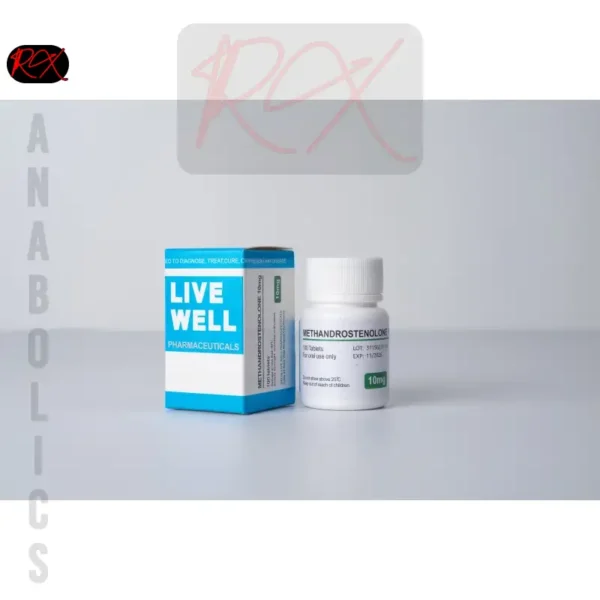
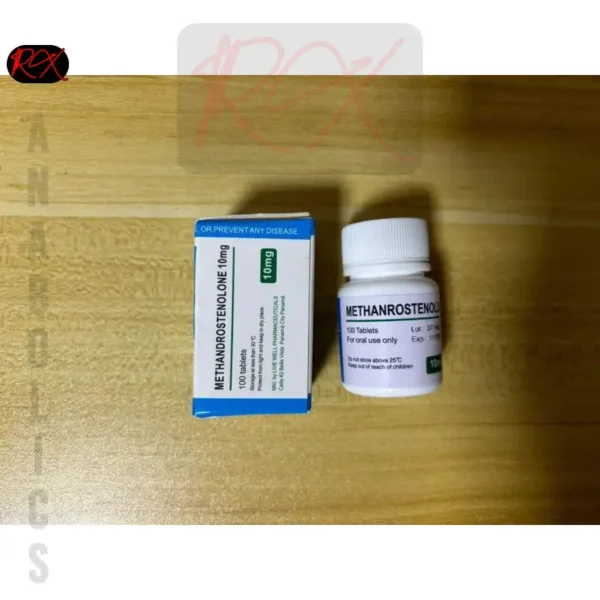
Methandrostenolone 10mg is an oral anabolic steroid containing 10mg of Methandrostenolone per tablet. At iRoids Pharma, we carry Methandrostenolone 10mg as part of our oral anabolic steroid inventory for customers in markets where Methandrostenolone is legally available.
Methandrostenolone is the active compound in this preparation, universally recognized under the brand name Dianabol. Among all oral anabolic steroids discussed in performance communities, Methandrostenolone stands apart in terms of documented history, research depth, and global market presence. Its introduction in 1958 effectively launched the modern era of performance-enhancing drug use in competitive athletics and its pharmacological profile has been studied more extensively than virtually any other oral anabolic steroid in existence.
The 10mg tablet format of this preparation carries a specific significance that distinguishes it from higher-concentration non-prescription formats. It aligns with the upper end of the historical pharmaceutical clinical tablet formats for Methandrostenolone that existed before FDA market withdrawal in 1985. This page covers the pharmacology, clinical background, and health and legal considerations relevant to anyone researching this compound. It does not constitute medical advice, recommend steroid use, or provide dosage, cycle, or stacking guidance of any kind.
Product Specifications
| Specification | Details |
|---|---|
| Product Name | Methandrostenolone 10mg |
| Website | iroidspharma.com |
| Active Compound | Methandrostenolone |
| Also Known As | Dianabol, Dbol, Methandienone, Diana |
| Drug Class | Anabolic-androgenic steroid, 17-alpha alkylated oral steroid, testosterone derivative |
| Concentration | 10mg per tablet |
| Presentation | Oral tablet |
| Form | Tablet |
| Half-Life | Approximately 3 to 6 hours |
| Route of Administration | Oral |
| Anabolic Rating | 90 to 210 relative to testosterone baseline of 100 |
| Androgenic Rating | 40 to 60 relative to testosterone baseline of 100 |
| Aromatization | Yes. Significant aromatization to estrogen. |
| 17-Alpha Alkylated | Yes |
| Liver Toxicity | Significant |
| Legal Status | Schedule III controlled substance in the United States. Legal status varies by country. |
| Availability | iroidspharma.com |
The Significance of the 10mg Format
The 10mg per tablet concentration of this preparation occupies a distinct position within the Methandrostenolone product landscape that is worth understanding before comparing it to other available formats.
Historical Pharmaceutical Alignment
Pharmaceutical grade Dianabol tablets produced in international markets were commonly available at 5mg and 10mg formats. The 10mg concentration of this preparation consequently aligns with the upper end of the historical pharmaceutical clinical tablet format for Methandrostenolone. This alignment with historical pharmaceutical dosing is directly relevant to how the available clinical and observational research literature applies to this specific preparation.
The pharmacological research base for Methandrostenolone, which spans several decades and includes both controlled research and extensive clinical observations, was accumulated primarily at doses consistent with the 5mg and 10mg tablet formats that existed during the period of pharmaceutical availability. As a result, the 10mg format provides a closer connection to the established research base than higher-concentration non-prescription formats that significantly exceed historical pharmaceutical dosing.
Concentration Comparison Within Non-Prescription Market
Within the iRoids Pharma non-prescription market catalog, Methandrostenolone is available at 10mg, 20mg, and 50mg tablet formats. The 10mg format consequently delivers the most conservative per-tablet concentration among available options. This conservative concentration provides more precise dose management than higher-concentration formats and produces comparatively less pronounced dose-dependent side effects per tablet than the 20mg and 50mg alternatives.
Dose Precision Advantage
The 10mg format provides a meaningful practical advantage in dose precision compared to higher-concentration formats. Anyone researching Methandrostenolone who wants to manage total daily exposure with greater precision benefits from the granularity that the 10mg format provides compared to the 50mg format where a single tablet delivers five times the active compound. This precision consideration is directly relevant to the dose-dependent side effect profile of this compound.
What Is Methandrostenolone
Methandrostenolone is a synthetic anabolic-androgenic steroid derived from testosterone. CIBA Pharmaceuticals developed it in 1955 and Dr. John Ziegler introduced it to American competitive athletics through his work with the United States weightlifting team in the late 1950s. The compound reached the US market under the Dianabol brand name in 1958 and within a decade had achieved the status of the most widely used oral anabolic steroid globally.
Structurally, Methandrostenolone carries two modifications from the testosterone base that define its pharmacological profile. A methyl group at the 17-alpha carbon position enables oral bioavailability by protecting the compound from first-pass hepatic metabolism. A double bond between the carbon-1 and carbon-2 positions of the steroid A-ring reduces androgenic receptor affinity in certain tissues relative to testosterone while preserving strong anabolic receptor binding activity in muscle tissue.
Together these modifications produce an oral anabolic steroid with an anabolic rating of 90 to 210 and an androgenic rating of 40 to 60 relative to a testosterone baseline of 100. The compound aromatizes significantly to estrogen through the aromatase enzyme pathway, which is the primary pharmacological characteristic driving its most commonly reported side effects. Furthermore, the 17-alpha alkylation that enables oral bioavailability is directly responsible for its hepatotoxicity profile.
How Methandrostenolone Works
Methandrostenolone reaches systemic circulation in active form following oral administration due to the protective effect of the 17-alpha alkylation against first-pass hepatic metabolism. It then interacts with biological systems throughout the body through several pharmacological mechanisms.
Androgen Receptor Binding in Muscle Tissue
Methandrostenolone binds to androgen receptors in skeletal muscle tissue, activating receptor-mediated gene transcription programs that regulate protein synthesis, nitrogen retention, and satellite cell activity. The double bond modification at the carbon-1 and carbon-2 positions reduces its affinity for androgen receptors in certain non-target tissues including skin and hair follicles compared to unmodified testosterone. As a result, the primary anabolic effects are produced in muscle tissue with comparatively less androgenic receptor activation in tissues associated with androgenic side effects.
Nitrogen Balance Effects
Methandrostenolone produces strongly positive nitrogen balance in skeletal muscle tissue. Nitrogen balance reflects the net difference between protein synthesis and protein breakdown in muscle tissue. Strongly positive nitrogen balance consequently indicates a pronounced anabolic state where protein accumulation substantially exceeds protein breakdown. This mechanism is one of the most consistently documented pharmacological effects of Methandrostenolone across both the clinical literature and the extensive observational record from decades of use.
Glycogenolysis
Methandrostenolone enhances glycogenolytic activity in muscle tissue, improving the efficiency of glycogen breakdown and glucose availability during high-intensity muscular activity. This glycogenolytic mechanism adds a metabolic dimension to the pharmacological profile of Methandrostenolone that distinguishes it from compounds that operate exclusively through androgen receptor-mediated anabolic pathways. Furthermore, this mechanism contributes to the strength and acute performance observations associated with this compound in addition to its longer-term effects on muscle protein accretion.
Estrogenic Conversion Through Aromatase
Methandrostenolone undergoes significant aromatase-mediated conversion to estradiol in peripheral tissues. This estrogenic conversion produces systemic estrogen elevation that drives extracellular fluid retention, stimulates breast glandular tissue, and produces mood-related hormonal effects through estrogen receptor activation throughout the body. The aromatase-mediated conversion pathway is the mechanistic basis for the most commonly reported immediate side effects of Methandrostenolone and is the primary pharmacological consideration that distinguishes it from non-aromatizing oral anabolic steroids.
IGF-1 Production
Methandrostenolone stimulates hepatic and peripheral production of Insulin-like Growth Factor 1 through androgen receptor-mediated mechanisms. IGF-1 functions as a downstream mediator of anabolic effects in muscle tissue, activating satellite cells, stimulating protein synthesis, and contributing to tissue repair processes. This secondary anabolic pathway consequently amplifies the direct androgen receptor-mediated effects on muscle tissue.
Clinical Background
Methandrostenolone carries a documented clinical history that provides meaningful reference context for understanding its pharmacological profile.
Original Clinical Development and Indications
CIBA developed Methandrostenolone with specific clinical applications in mind including treatment of hypogonadism, osteoporosis, and conditions associated with accelerated protein catabolism. The compound was FDA approved and commercially available under the Dianabol brand name from 1958 through 1985 when CIBA discontinued marketing following regulatory pressure. This period of pharmaceutical availability generated a clinical observation and research base that remains the primary scientific reference for the compound’s pharmacological profile.
Research Base From the Pharmaceutical Era
The clinical and research literature accumulated during the period of pharmaceutical availability covers Methandrostenolone’s effects on nitrogen balance, protein synthesis, bone density, red blood cell production, and multiple organ systems. This research base consequently provides a more extensive pharmacological reference than most anabolic steroids discussed in performance communities carry. The fact that the research was conducted primarily at doses consistent with the 5mg and 10mg historical pharmaceutical formats makes it particularly relevant to the 10mg concentration at iRoids Pharma.
Post-Market Withdrawal Research Context
Following FDA market withdrawal in 1985, controlled clinical research on Methandrostenolone became limited due to its controlled substance classification. The research base consequently reflects the pharmaceutical era literature supplemented by ongoing observational data from non-prescription market use. This gap between the controlled research base and current non-prescription use patterns is a relevant consideration for anyone evaluating the pharmacological literature on this compound.
Methandrostenolone 10mg at iRoids Pharma vs Other Oral Anabolic Steroids
Versus Oxymetholone 50mg
Oxymetholone carries a higher anabolic rating of 320 and produces estrogenic effects through direct estrogen receptor activation rather than aromatase-mediated conversion. At the 50mg concentration, Oxymetholone delivers five times the active compound per tablet compared to the 10mg Methandrostenolone format. Both are 17-alpha alkylated with significant hepatotoxicity. Oxymetholone consequently represents a substantially more aggressive pharmacological profile than the 10mg Methandrostenolone format across most relevant parameters.
Versus Methandrostenolone 20mg and 50mg
Both the 20mg and 50mg formats contain the same active compound with identical pharmacological profiles. The 10mg format delivers half the active compound per tablet compared to the 20mg format and one fifth compared to the 50mg format. As a result, the 10mg format produces comparatively less pronounced dose-dependent effects and dose-dependent side effects per tablet than either higher-concentration alternative. This conservative concentration profile is the primary pharmacological distinction between the 10mg format and higher-concentration Methandrostenolone preparations at iRoids Pharma.
Versus Stanozolol
Stanozolol is a non-aromatizing oral anabolic steroid with 17-alpha alkylation and significant hepatotoxicity. Unlike Methandrostenolone, Stanozolol does not produce estrogenic effects through any conversion pathway. Stanozolol additionally produces more pronounced adverse effects on the lipid profile than Methandrostenolone in comparative literature. Both compounds share hepatotoxicity as a primary health consideration from their respective 17-alpha alkylated structures.
Versus Turinabol
Turinabol is structurally derived from Methandrostenolone through chlorination at the carbon-4 position which eliminates aromatization. This structural relationship means Turinabol shares the basic pharmacological architecture of Methandrostenolone while producing a non-estrogenic side effect profile. Turinabol carries lower anabolic activity than Methandrostenolone. Furthermore, the absence of estrogenic conversion consequently produces a fundamentally different side effect consideration despite the structural similarity between the two compounds.
Versus Methenolone Acetate
Methenolone Acetate is a non-aromatizing, non-17-alpha alkylated oral anabolic steroid with a significantly lower hepatotoxicity profile than Methandrostenolone. Its lower anabolic activity and absence of estrogenic conversion place it at the opposite end of the oral anabolic steroid potency spectrum from Methandrostenolone. These two compounds consequently represent fundamentally different pharmacological profiles across all relevant parameters.
Side Effects and Health Risks
Methandrostenolone 10mg carries a well-documented side effect profile based on decades of clinical observations and research literature. While the 10mg format represents the most conservative per-tablet concentration in the iRoids Pharma Methandrostenolone product range, the health risks associated with this compound apply at any concentration and cannot be minimized in any responsible discussion.
Hepatotoxicity
Hepatotoxicity is the most clinically significant health risk associated with Methandrostenolone use at any concentration. The 17-alpha alkylation that enables oral bioavailability places direct metabolic stress on hepatocytes throughout the period of use. Elevated liver transaminase values, cholestatic effects, and in cases of prolonged use, more serious structural hepatic complications are documented in the clinical literature. While the 10mg format produces comparatively less acute hepatic stress per tablet than higher-concentration formats, cumulative hepatic exposure over any period of use requires monitoring. Biochemical liver function testing is consequently an essential health consideration for anyone using this compound.
Estrogenic Side Effects
Aromatase-mediated conversion to estradiol produces the most commonly reported immediate side effects of Methandrostenolone use. Extracellular fluid retention, stimulation of breast glandular tissue, and mood-related hormonal effects are all downstream consequences of elevated circulating estradiol. At the 10mg concentration these estrogenic effects are less pronounced per tablet than at higher-concentration formats. However, the compound’s inherent aromatization rate means estrogenic side effects remain a primary consideration at any concentration of this compound.
Cardiovascular Effects
Methandrostenolone produces adverse lipid profile modifications documented consistently across the clinical literature. HDL cholesterol suppression and LDL cholesterol elevation carry long-term cardiovascular health implications. Water retention from estrogenic conversion additionally produces blood pressure elevation through increased circulating volume. These cardiovascular considerations are proportionally less pronounced at the 10mg concentration than at higher formats. However, they remain clinically relevant at any concentration and consequently require monitoring throughout any period of use.
HPG Axis Suppression
Methandrostenolone suppresses the hypothalamic-pituitary-gonadal axis through negative feedback on hypothalamic gonadotropin-releasing hormone secretion. This suppression reduces endogenous testosterone production during the period of use. Post-use HPG axis recovery varies in duration and completeness depending on the duration and magnitude of prior use. In some cases, post-use hypogonadism persists for extended periods and requires medical intervention.
Androgenic Effects
Despite its comparatively reduced androgenic rating relative to testosterone, Methandrostenolone still produces androgenic effects in susceptible individuals. Accelerated androgenetic alopecia in genetically predisposed individuals and acne vulgaris are the most consistently reported androgenic effects. In women, virilization effects represent serious considerations even at the 10mg concentration given this compound’s meaningful androgenic activity.
Legal and Regulatory Status
Methandrostenolone carries Schedule III controlled substance status in the United States under the Anabolic Steroid Control Act. The FDA withdrew its market approval in 1985 following CIBA’s discontinuation of marketing. Possession without a valid prescription consequently constitutes a federal offense regardless of the concentration format.
In the United Kingdom, Methandrostenolone is classified as a Class C controlled substance under the Misuse of Drugs Act. Unauthorized supply is a criminal offense.
The World Anti-Doping Agency includes Methandrostenolone on its prohibited list across all competitive sport categories. Urinary detection of Methandrostenolone metabolites is possible for extended periods following cessation of use. As a result, competitive athletes subject to anti-doping testing face significant detection risk regardless of the concentration format used.
You are responsible for confirming the legal status of Methandrostenolone in your specific jurisdiction before purchasing from iRoids Pharma.
Frequently Asked Questions
Is Methandrostenolone 10mg Available at iRoids Pharma
Yes. iRoids Pharma carries Methandrostenolone 10mg for customers in markets where Methandrostenolone is legally available. Visit iroidspharma.com to check current availability and pricing.
What Makes the 10mg Format Different From the 20mg and 50mg Formats at iRoids Pharma
All three formats contain the same active Methandrostenolone compound with identical pharmacological profiles. The 10mg format delivers the most conservative per-tablet concentration, provides the greatest dose precision, and produces comparatively less pronounced dose-dependent side effects per tablet than the 20mg and 50mg alternatives. It also aligns most closely with the historical pharmaceutical tablet formats for which the primary clinical research base was established.
What Is the Half-Life of Methandrostenolone
Methandrostenolone produces a half-life of approximately 3 to 6 hours. As a result, its relatively short half-life requires regular daily administration to maintain stable plasma concentrations throughout the day. The short half-life is a pharmacokinetic characteristic that applies equally across all concentration formats of this compound.
Does Methandrostenolone Aromatize
Yes. Methandrostenolone undergoes significant aromatase-mediated conversion to estradiol. Consequently, estrogenic side effects including fluid retention and breast tissue stimulation are primary health considerations with this compound at any concentration including the 10mg format.
How Does the 10mg Format Relate to Historical Pharmaceutical Dianabol
Pharmaceutical grade Dianabol tablets produced internationally during the period of market availability were commonly available at 5mg and 10mg formats. The 10mg format at iRoids Pharma consequently aligns with the upper end of the historical pharmaceutical tablet format for this compound. The primary clinical research base for Methandrostenolone was accumulated at doses consistent with these historical pharmaceutical formats, making the 10mg format the concentration most directly supported by the available controlled research literature.
What Are the Most Serious Health Risks
Hepatotoxicity from 17-alpha alkylation is the most clinically significant health risk at any concentration. Cardiovascular effects from lipid profile modification and fluid retention, estrogenic effects from significant aromatization, HPG axis suppression, and androgenic effects complete the primary risk profile. Medical supervision and regular biochemical monitoring are consequently essential for anyone using this compound.
Is Methandrostenolone 10mg Legal to Purchase
Methandrostenolone carries Schedule III controlled substance status in the United States. Legal status varies significantly by jurisdiction. You are consequently responsible for confirming the legal status in your jurisdiction before purchasing from iRoids Pharma.
What to Consider Before Purchasing Methandrostenolone 10mg
Methandrostenolone carries one of the most extensively documented pharmacological profiles of any anabolic steroid ever produced. The research and clinical observation base accumulated during its period of pharmaceutical availability from 1958 through 1985 provides meaningful reference information for understanding its pharmacological effects and risk profile. The 10mg format at iRoids Pharma aligns most closely with the historical pharmaceutical dosing range for which this research base was established.
The iRoids Pharma non-prescription preparation does not carry the manufacturing oversight of pharmaceutical grade Dianabol that existed during the period of CIBA’s market availability. The clinical research base applies to the pharmacological and risk profile of the active compound regardless of the specific manufacturer. However, manufacturing standards and quality verification differ fundamentally between pharmaceutical grade and non-prescription preparations.
Methandrostenolone carries documented hepatotoxicity, cardiovascular, estrogenic, HPG suppression, androgenic, and psychological health risks that require medical supervision to manage responsibly. The 10mg format provides the most conservative per-tablet concentration and closest alignment with the historical pharmaceutical research base among the Methandrostenolone formats available at iRoids Pharma. However, the health risks associated with this compound apply at any concentration and require the same medical supervision regardless of format.
For customers in markets where Methandrostenolone is legally available, visit iroidspharma.com to check current Methandrostenolone 10mg availability, pricing, and stock levels.
Reviews
There are no reviews yet.
Related products
Tablets
Tablets
Tablets
Tablets
Tablets
Be the first to review “Methandrostenolone (Dianabol) 10mg”