Methasterone (Superdrol) Overview | iRoids Pharma
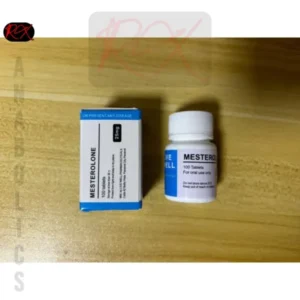
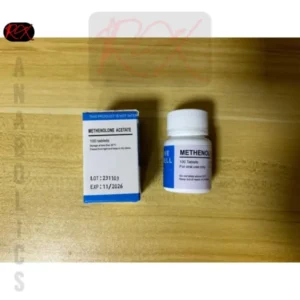
Methasterone is an oral anabolic steroid commonly known by its trade name Superdrol. At iRoids Pharma, we carry Methasterone as part of our oral anabolic steroid inventory for customers in markets where the compound is legally available. Methasterone has an unusual regulatory history that distinguishes it from most other anabolic steroids discussed in performance communities. It was originally marketed as a dietary supplement in the early 2000s before the FDA intervened and classified it as a controlled substance. This supplement market history gave Methasterone wider initial exposure than most pharmaceutical anabolic steroids and contributed to its extensive discussion in performance communities. Like all anabolic steroid products, Methasterone carries significant health and legal considerations that anyone researching it should understand clearly before forming an opinion about it.
Methasterone was first synthesized in the 1950s by Syntex Pharmaceuticals but was never developed for clinical use or approved as a pharmaceutical product. It remained an obscure research compound until Designer Supplement introduced it as a dietary supplement under the Superdrol brand name in 2005. The supplement was marketed as a prohormone despite being a fully active anabolic steroid requiring no conversion in the body. The FDA subsequently took enforcement action and Methasterone was added to the controlled substance list under the Anabolic Steroid Control Act. Understanding what Methasterone is, its regulatory history, and what risks it carries is the starting point for anyone researching it for educational purposes.
This article provides general educational information about Methasterone and Superdrol. It does not constitute medical advice, does not recommend or encourage steroid use, and does not provide dosage or cycle guidance of any kind.
Product Specifications
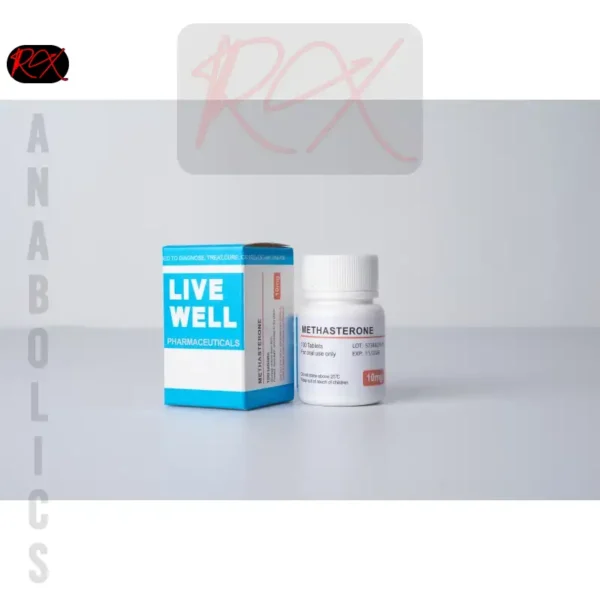
Website: iroidspharma.com Active Compound: Methasterone Common Name: Superdrol, Methasteron, Methyldrostanolone Concentration: Typically 10mg per tablet in non-prescription market presentations Presentation: Oral tablet Form: Tablet Half-Life: Approximately 8 to 9 hours Route of Administration: Oral Anabolic Rating: 400 relative to testosterone baseline of 100 Androgenic Rating: 20 relative to testosterone baseline of 100 Estrogenic Activity: None. Methasterone does not aromatize to estrogen. Progestogenic Activity: None. Liver Toxicity: Very high. Methasterone is a 17-alpha alkylated compound and carries among the highest liver toxicity of commonly discussed oral anabolic steroids. Legal Status: Schedule III controlled substance in the United States. Prescription only.
What Is Methasterone
Methasterone is a synthetic anabolic androgenic steroid structurally derived from Drostanolone. It is the 17-alpha methylated version of Drostanolone, the active compound in Masteron. This structural relationship means Methasterone shares the non-aromatizing and mild anti-estrogenic characteristics of Drostanolone while adding oral bioavailability through the 17-alpha methylation modification.
Structural Relationship to Drostanolone
Drostanolone is an injectable anabolic steroid with non-aromatizing properties and mild anti-estrogenic activity that was covered in the Sixpex Masteron Enanthate 200 and Dragon Pharma Masteron P 100 pages earlier in this session. Methasterone adds a 17-alpha methyl group to the Drostanolone base, which allows oral administration by protecting the compound from first-pass liver metabolism. This methylation modification is the same structural change that produces 17-alpha alkylation-related liver toxicity in oral anabolic steroids.
Very High Liver Toxicity
The 17-alpha methylation of Methasterone produces very significant liver toxicity. Clinical literature and user reports document Methasterone as carrying among the highest hepatotoxicity of all commonly discussed oral anabolic steroids. This places it in the same high-risk liver toxicity category as Oxymetholone in terms of documented liver stress. This severe hepatotoxicity is one of the most critical health considerations for anyone researching Methasterone.
Non-Aromatizing Profile
Methasterone does not convert to estrogen through the aromatase enzyme, inheriting this characteristic from its Drostanolone parent compound. As a result, users do not experience estrogen-related water retention or gynecomastia from Methasterone use alone. This non-aromatizing characteristic combined with its very high anabolic rating and very low androgenic rating gives it a pharmacological profile that distinguishes it from most other oral anabolic steroids.
Favorable Anabolic to Androgenic Ratio
The anabolic rating of 400 compared to an androgenic rating of 20 relative to testosterone represents one of the most favorable anabolic to androgenic ratios among all discussed anabolic steroids. The anabolic rating of 400 significantly exceeds testosterone while the androgenic rating of 20 is lower than Oxandrolone’s 24. This combination of high anabolic activity and very low androgenic activity is the primary pharmacological characteristic that drives Methasterone’s consistent discussion in performance communities despite its severe hepatotoxicity.
Regulatory History of Methasterone
Methasterone has one of the most unusual regulatory histories among anabolic steroids discussed in performance communities. This history is relevant context for anyone researching the compound.
Original Synthesis
Syntex Pharmaceuticals first synthesized Methasterone in the 1950s during a period of active anabolic steroid research. However, unlike Syntex’s other compounds including Oxymetholone and Oxandrolone, Methasterone was never developed for clinical use or pharmaceutical production. It remained an obscure research compound for approximately 50 years.
Supplement Market Introduction
Designer Supplement introduced Methasterone under the brand name Superdrol as a dietary supplement in 2005. The marketing positioned it as a prohormone supplement despite the compound being a fully active anabolic steroid requiring no metabolic conversion to produce anabolic effects. This marketing approach was designed to circumvent anabolic steroid regulations that applied to known controlled substances at the time.
FDA Action and Scheduling
The FDA took enforcement action against Superdrol following its introduction to the market. After several regulatory steps, Methasterone was classified as a Schedule III controlled substance under the Anabolic Steroid Control Act of 2004 amendments. The supplement market availability consequently ended, and Methasterone became a controlled substance subject to the same regulations as other anabolic steroids. This regulatory history is unique among anabolic steroids and gives Methasterone a distinctive place in performance community discussions.
Continued Non-Prescription Market Availability
Following its controlled substance scheduling, Methasterone products continued to appear in non-prescription markets outside the United States where its legal status differs. Current Methasterone products are produced by non-prescription manufacturers for markets where the compound is legally available.
About Methasterone at iRoids Pharma
iRoids Pharma carries Methasterone as part of our oral anabolic steroid inventory. The standard non-prescription market concentration for Methasterone is 10mg per tablet, which is the most commonly available format. At iRoids Pharma, we stock Methasterone for customers in markets where the compound is legally available.
In the United States, Methasterone carries Schedule III controlled substance status and requires a valid prescription for legal possession and use. Visit iroidspharma.com to check current availability, specific concentration, and pricing.
Why Methasterone Appears in Bodybuilding Discussions
Methasterone generates consistent discussion in bodybuilding communities. Several distinct characteristics drive its presence in performance conversations.
Extremely Favorable Anabolic to Androgenic Ratio
The anabolic rating of 400 combined with an androgenic rating of 20 represents one of the most extreme anabolic to androgenic ratios among all discussed anabolic steroids. This ratio is the most consistently cited pharmacological characteristic of Methasterone in performance literature. The combination of high anabolic activity and very low androgenic activity is the primary reason Methasterone attracts interest in performance communities despite its severe liver toxicity risk.
Non-Aromatizing Profile
Methasterone does not convert to estrogen. As a result, users do not experience estrogen-related water retention or gynecomastia from Methasterone use alone. This non-aromatizing characteristic combined with its high anabolic rating makes it a specific discussion topic in performance communities where lean body composition changes without water retention are the goal.
Supplement Market History
The original Superdrol supplement market availability gave Methasterone broader initial exposure than most pharmaceutical anabolic steroids. Many performance community members first encountered Methasterone through the supplement market context rather than through traditional anabolic steroid channels. This background contributes to its distinctive position and recognition in performance discussions.
Oral Administration
The oral tablet format removes the injection requirement associated with most other potent anabolic compounds. This practical characteristic contributes to Methasterone’s consistent presence in discussions alongside its pharmacological profile.
Comparison With Other Oral Anabolic Steroids
Methasterone is frequently compared to other potent oral anabolic steroids in performance community discussions. Its combination of higher anabolic rating than most oral anabolic steroids, non-aromatizing profile, very low androgenic activity, and very high liver toxicity gives it a distinct position in these comparisons.
Methasterone Versus Other Oral Anabolic Steroids
Understanding how Methasterone compares to other oral anabolic steroids clarifies its specific position in performance discussions.
Versus Oxymetholone (Anadrol)
Both Methasterone and Oxymetholone carry very high liver toxicity and significant anabolic activity. Oxymetholone produces significant estrogenic effects through direct estrogen receptor agonism. Methasterone does not aromatize and produces no estrogenic effects. Oxymetholone carries an anabolic rating of 320 compared to Methasterone’s 400. Both compounds consequently carry very serious risk profiles but differ in estrogenic activity.
Versus Methandrostenolone (Dianabol)
Methandrostenolone aromatizes to estrogen and carries significant but somewhat lower liver toxicity than Methasterone. Methasterone does not aromatize and carries higher anabolic and lower androgenic ratings than Methandrostenolone. Both produce pronounced anabolic effects but through different mechanisms and with different side effect profiles.
Versus Oxandrolone (Anavar)
Oxandrolone represents the opposite end of the oral anabolic steroid risk spectrum from Methasterone. Oxandrolone carries low liver toxicity, retains active FDA approval, and is one of the mildest oral anabolic steroids. Methasterone carries very high liver toxicity, has no clinical approval history, and carries the highest anabolic rating of commonly discussed oral anabolic steroids. The two compounds are consequently discussed in completely different performance community risk contexts.
Versus Stanozolol (Winstrol)
Stanozolol does not aromatize, similar to Methasterone. Both carry significant liver toxicity from 17-alpha alkylation but Methasterone’s hepatotoxicity is documented as more severe. Stanozolol carries a lower anabolic rating of 320 and higher androgenic rating of 30 compared to Methasterone’s anabolic rating of 400 and androgenic rating of 20. Both appear in non-aromatizing oral steroid discussions but carry different risk profiles.
Risks and Health Considerations
Methasterone carries one of the most significant risk profiles among all commonly discussed oral anabolic steroids. Anyone researching this compound should understand these risks clearly and completely before proceeding.
Liver Toxicity
Liver toxicity is the most serious and consistently documented risk associated with Methasterone use. The 17-alpha methylation produces very severe direct stress on the liver during metabolism. Clinical literature and user reports document among the most severe liver enzyme elevations of any commonly discussed oral anabolic steroid with Methasterone use. Cases of severe hepatotoxicity, peliosis hepatis, and serious liver injury have been documented in both clinical literature and post-market reports associated with Superdrol use. Regular liver function monitoring is therefore absolutely essential for anyone using Methasterone under medical supervision. Short duration of use and regular monitoring are the minimum precautionary approaches to managing this severe toxicity risk.
Cardiovascular Effects
Methasterone produces significant adverse lipid effects. Clinical research and user reports document severe reductions in HDL cholesterol and elevated LDL cholesterol with Methasterone use. These lipid changes carry very significant cardiovascular implications. Regular cardiovascular monitoring is consequently absolutely essential for anyone using this compound.
Hormonal Suppression
Methasterone suppresses natural testosterone production through feedback inhibition of the hypothalamic-pituitary-gonadal axis. The degree of suppression is documented as significant. Prolonged suppression leads to testicular atrophy and impaired natural testosterone production that may require medical intervention to restore after discontinuation.
Androgenic Side Effects
Despite a very low androgenic rating of 20, Methasterone still produces androgenic side effects in some individuals. These include acne, oily skin, and in genetically predisposed individuals, acceleration of male pattern hair loss.
Lethargy and Fatigue
Lethargy and significant fatigue are among the most consistently reported side effects of Methasterone use in user reports and post-market surveillance data associated with the original Superdrol supplement. This side effect is more consistently reported with Methasterone than with most other oral anabolic steroids and represents a significant quality of life consideration.
Musculoskeletal Pain
Musculoskeletal pain including back pumps and general muscle discomfort are frequently reported with Methasterone use. The mechanism is not fully established but this side effect appears consistently in user reports from the original Superdrol supplement period and subsequent non-prescription product discussions.
Virilization in Women
In women, Methasterone carries a significant risk of virilization including voice deepening, clitoral enlargement, increased body hair growth, and disruption of the menstrual cycle. These effects may be irreversible with prolonged use. Women researching this compound should consequently be particularly aware of these documented risks.
No Clinical Approval History
Unlike Oxymetholone, Oxandrolone, and Stanozolol which have documented clinical use histories and FDA approvals for specific indications, Methasterone has never been approved for any human clinical use. The absence of any clinical approval history means there is no established clinical safety profile, no documented therapeutic dosing range, and no regulatory body assessment of its use in humans. This represents a fundamentally different risk context from compounds with established clinical histories.
Legal Status
Methasterone carries Schedule III controlled substance status in the United States. A valid prescription from a licensed physician is required for legal possession and use. Legal status varies by country. Research the legal status in your specific jurisdiction before purchasing from iRoids Pharma.
Frequently Asked Questions About Methasterone at iRoids Pharma
Is Methasterone Available at iRoids Pharma?
Yes. iRoids Pharma carries Methasterone for customers in markets where the compound is legally available. Visit iroidspharma.com to check current availability, concentration, and pricing.
What Was the Original Superdrol?
Superdrol was a dietary supplement containing Methasterone introduced by Designer Supplement in 2005. It was marketed as a prohormone supplement despite being a fully active anabolic steroid. The FDA subsequently took enforcement action and Methasterone was classified as a Schedule III controlled substance.
Does Methasterone Cause Estrogenic Side Effects?
No. Methasterone does not aromatize to estrogen. Users do not experience estrogen-related side effects including water retention or gynecomastia from Methasterone use alone.
Is Methasterone FDA Approved?
No. Methasterone has never received FDA approval for any clinical indication. It has no pharmaceutical approval history in any jurisdiction.
Is Methasterone Legal to Purchase?
Methasterone carries Schedule III controlled substance status in the United States and requires a valid prescription. Legal status varies significantly by country. Customers are responsible for confirming the legal status in their specific jurisdiction before purchasing from iRoids Pharma.
How Does Methasterone Compare to Oxymetholone?
Both carry very high liver toxicity and significant anabolic activity. Oxymetholone produces significant estrogenic effects through direct estrogen receptor agonism. Methasterone does not aromatize and produces no estrogenic effects. Methasterone carries a higher anabolic rating of 400 compared to Oxymetholone’s 320. Both carry among the highest risk profiles of all commonly discussed oral anabolic steroids.
What to Consider Before Purchasing Methasterone
Methasterone generates significant discussion in bodybuilding communities drawing from its unusual supplement market history and distinctive pharmacological profile. Much of that discussion draws from anecdotal sources rather than peer-reviewed medical research. Information quality in those discussions varies widely. Relying on forum-based guidance for health decisions consequently carries real risk.
If you are researching Methasterone for educational purposes, prioritize peer-reviewed medical research and consult a licensed medical professional. The liver toxicity profile of Methasterone is among the most severe documented across all oral anabolic steroids. Furthermore, the complete absence of any clinical approval history means there is no established safety profile for human use from regulatory review. No fitness or physique goal justifies using a compound of this risk profile without fully understanding the documented risks involved.
For customers in markets where Methasterone is legally available, visit iroidspharma.com to check current product availability, pricing, and stock levels.
Reviews
There are no reviews yet.
Related products
Tablets
Tablets
Tablets
Tablets
Tablets
Tablets
Be the first to review “Methasterone (Superdrol)”