Superdrol 10mg (Methasterone) 50 Tablets | iRoids Pharma
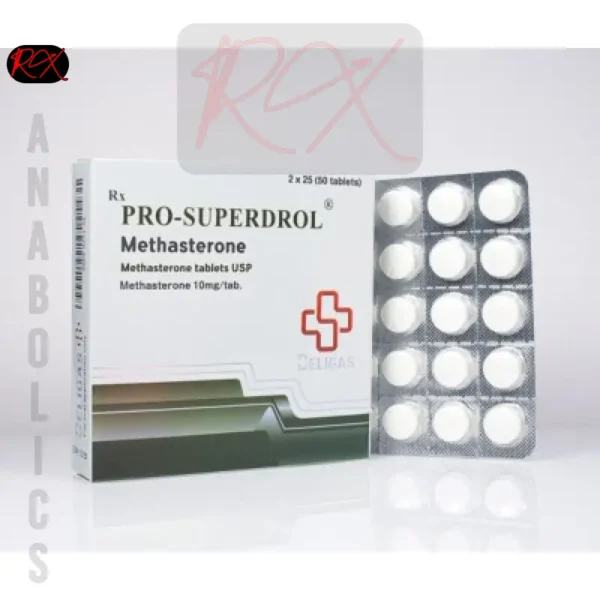
Superdrol 10mg is an oral anabolic steroid containing 10mg of Methasterone per tablet, available in packs of 50 tablets. At iRoids Pharma, we carry Superdrol 10mg as part of our oral anabolic steroid inventory for customers in markets where Methasterone is legally available.
Methasterone is the active compound in this preparation, widely recognized under the brand name Superdrol. It occupies a distinct position within the oral anabolic steroid landscape due to its combination of extremely high anabolic potency, complete absence of estrogenic activity, and severe hepatotoxicity profile. Unlike most potent oral anabolic steroids that produce significant estrogenic side effects through aromatization, Methasterone produces no estrogenic conversion through any pathway. Unlike milder non-aromatizing oral anabolic steroids such as Oxandrolone, Methasterone carries an anabolic rating of 400 that significantly exceeds the testosterone baseline alongside a notably low androgenic rating of 20.
The 10mg tablet format of this preparation represents the standard concentration at which Methasterone has historically been available in non-prescription markets. This page covers the pharmacology, clinical background, and health and legal considerations relevant to anyone researching Methasterone at iRoids Pharma. It does not constitute medical advice, recommend steroid use, or provide dosage, cycle, or stacking guidance of any kind.
Product Specifications
| Specification | Details |
|---|---|
| Product Name | Superdrol 10mg |
| Website | iroidspharma.com |
| Active Compound | Methasterone |
| Also Known As | Superdrol, Methyldrostanolone, Methasteron, MDrol |
| Drug Class | Anabolic-androgenic steroid, 17-alpha alkylated oral steroid, DHT derivative |
| Concentration | 10mg per tablet |
| Pack Size | 50 tablets |
| Total Active Compound Per Pack | 500mg |
| Presentation | Oral tablet |
| Form | Tablet |
| Half-Life | Approximately 8 to 9 hours |
| Route of Administration | Oral |
| Anabolic Rating | 400 relative to testosterone baseline of 100 |
| Androgenic Rating | 20 relative to testosterone baseline of 100 |
| Aromatization | None |
| 17-Alpha Alkylated | Yes |
| Liver Toxicity | Severe |
| No Approved Clinical Indication | Methasterone has no FDA approval for any medical indication. |
| Legal Status | Schedule III controlled substance in the United States. Legal status varies by country. |
| Availability | iroidspharma.com |
What Makes Methasterone Pharmacologically Distinct
Methasterone occupies a specific pharmacological position that distinguishes it from virtually every other oral anabolic steroid discussed in performance communities. Understanding this position requires examining the combination of characteristics that collectively define its profile.
Most highly potent oral anabolic steroids produce significant estrogenic effects either through direct aromatization or through indirect estrogen receptor activation. Methandrostenolone aromatizes significantly. Oxymetholone produces estrogenic effects through direct estrogen receptor activation despite not aromatizing. Both are among the most potent oral anabolic steroids by anabolic rating and both carry significant estrogenic activity alongside their pronounced anabolic effects.
Methasterone produces an anabolic rating of 400 that substantially exceeds the testosterone baseline of 100, making it one of the most anabolically potent oral non-aromatizing steroids available. At the same time, its androgenic rating of only 20 relative to testosterone’s baseline of 100 produces one of the most favorable anabolic-to-androgenic ratios of any oral anabolic steroid. No estrogenic conversion occurs through any pathway. No progestogenic activity has been documented. These combined characteristics produce a pharmacological profile that performance communities consistently describe as producing dry, lean anabolic effects without the estrogenic water retention or gynecomastia associated with more estrogenically active potent oral steroids.
The critical counterbalance to this pharmacological profile is severe hepatotoxicity. Methasterone carries one of the most severe liver toxicity profiles among oral anabolic steroids. This severe hepatotoxicity is the dominant health consideration that defines the practical risk profile of this compound at any concentration and makes it one of the most medically significant oral anabolic steroids discussed in performance communities from a liver safety standpoint.
The Superdrol Name: Historical and Nomenclature Context
The Superdrol brand name requires specific contextual discussion because its history differs from most other compounds in the oral anabolic steroid category at iRoids Pharma.
Original Designer Steroid History
Methasterone was originally synthesized in the 1950s by researchers at Syntex. However, it was never developed into a pharmaceutical product and consequently never received regulatory approval for any medical indication. It remained in relative obscurity until 2005 when Designer Supplement Inc. introduced it to the US market under the Superdrol brand name, marketed as a dietary supplement rather than as an anabolic steroid to circumvent the Anabolic Steroid Control Act of 1990.
This marketing approach generated significant controversy and regulatory attention. Superdrol rapidly became one of the most widely discussed oral anabolic steroids in performance communities due to its potent anabolic effects, non-aromatizing profile, and widespread availability before regulatory action. The FDA and DEA subsequently acted to classify Methasterone as a controlled substance, and it was formally added to the Schedule III controlled substance list under the Anabolic Steroid Control Act of 2004 through subsequent scheduling action.
No Clinical Research Base
Unlike most oral anabolic steroids discussed in performance communities, Methasterone carries no clinical research base from an approved pharmaceutical application. Its pharmacological profile is consequently characterized primarily through in vitro receptor binding studies, structural analysis relative to its parent compound Drostanolone, and observational data accumulated through non-prescription market use rather than through controlled clinical trials. This absence of a clinical research base is a directly relevant pharmacological consideration that distinguishes Methasterone from compounds including Oxandrolone, Stanozolol, Methandrostenolone, and Oxymetholone that carry documented clinical histories.
Structural Relationship to Drostanolone
Methasterone is structurally derived from Drostanolone, also known as Masteron, through the addition of a methyl group at the 17-alpha position. This methylation enables oral bioavailability through the same mechanism used by other 17-alpha alkylated oral anabolic steroids. The methyl group at the 17-alpha position is directly responsible for Methasterone’s hepatotoxicity profile. The 2-alpha methyl group present in the Drostanolone base structure and retained in Methasterone contributes to the compound’s resistance to metabolic inactivation and its elevated anabolic-to-androgenic ratio compared to other DHT-derived compounds.
What Is Methasterone
Methasterone is a synthetic anabolic-androgenic steroid derived from Dihydrotestosterone through modification of the Drostanolone base structure. As a DHT derivative, it is structurally incompatible with the aromatase enzyme and consequently cannot undergo enzymatic conversion to estradiol through any conventional aromatization pathway. This structural incompatibility with aromatase is the pharmacological basis for its complete non-aromatizing profile.
The two structural modifications that define Methasterone’s pharmacological identity relative to its parent compound Drostanolone are the addition of a methyl group at the 17-alpha carbon position and the retention of the 2-alpha methyl group present in the Drostanolone base. The 17-alpha methyl group enables oral bioavailability but produces hepatotoxicity through the same mechanism as other 17-alpha alkylated oral anabolic steroids. The 2-alpha methyl group contributes to metabolic stability, elevated anabolic receptor binding activity, and the compound’s resistance to SHBG binding.
These structural characteristics collectively produce a compound with an anabolic rating of 400, an androgenic rating of 20, no aromatization, no progestogenic activity, and severe 17-alpha alkylation-mediated hepatotoxicity. The anabolic-to-androgenic ratio of approximately 20 to 1 is consequently one of the most pronounced of any oral anabolic steroid discussed in performance communities.
How Methasterone Works
Methasterone reaches systemic circulation in active form following oral administration due to the hepatic protection provided by 17-alpha alkylation. It subsequently interacts with biological systems through several pharmacological mechanisms.
Androgen Receptor Binding
Methasterone binds to androgen receptors throughout the body with high anabolic receptor binding affinity reflected in its anabolic rating of 400. Its androgenic rating of only 20 reflects comparatively low androgenic receptor affinity in non-target tissues including skin and hair follicles relative to its anabolic receptor activation in muscle tissue. As a result, androgen receptor activation in skeletal muscle drives pronounced anabolic effects while producing comparatively minimal androgenic activity in androgen-sensitive tissues. This highly favorable anabolic-to-androgenic receptor binding ratio is the primary mechanistic basis for Methasterone’s specific pharmacological reputation in performance communities.
Nitrogen Retention
Methasterone produces strong positive nitrogen retention in skeletal muscle tissue. The body retains substantially more nitrogen than it excretes, supporting a pronounced anabolic environment that favors muscle protein accumulation over breakdown. This mechanism is directly tied to its elevated androgen receptor binding activity in muscle tissue and contributes to the lean mass observations consistently associated with Methasterone in performance community discussions.
Protein Synthesis
Methasterone accelerates protein synthesis in skeletal muscle tissue through androgen receptor-mediated gene transcription programs. Enhanced protein synthesis supports muscle repair, growth, and maintenance. At the 10mg concentration, this mechanism operates at the standard non-prescription market concentration for Methasterone and consequently produces pharmacological effects consistent with the observational data accumulated through non-prescription market use at this specific concentration.
No Aromatization
Methasterone does not convert to estrogen through the aromatase enzyme pathway. As a DHT derivative, its structural incompatibility with aromatase means it cannot undergo enzymatic conversion to estradiol. Estrogenic side effects including water retention and gynecomastia are consequently not part of Methasterone’s direct pharmacological profile at any concentration. This non-aromatizing characteristic is one of the most consistently referenced pharmacological distinctions of Methasterone in performance community discussions and is the primary basis for its description as a dry compound compared to estrogenically active oral anabolic steroids.
No Progestogenic Activity
Methasterone does not carry clinically significant affinity for progesterone receptors, distinguishing it from progestogenic compounds including Nandrolone and Trenbolone where progesterone receptor activation is a primary side effect consideration. The absence of both estrogenic and progestogenic activity consequently produces a hormonal side effect profile distinct from compounds that carry either or both of these characteristics.
SHBG Binding Resistance
The 2-alpha methyl group in Methasterone’s structure reduces its affinity for Sex Hormone-Binding Globulin compared to compounds without this modification. Lower SHBG binding affinity means a greater proportion of circulating Methasterone remains in the free, biologically active form. This pharmacokinetic characteristic contributes to the effective potency of Methasterone at the per-milligram level relative to its receptor binding ratings.
The 10mg Format and 50 Tablet Pack Context
Standard Non-Prescription Market Concentration
The 10mg per tablet concentration represents the most widely available and historically standard concentration for Methasterone in non-prescription markets. Unlike compounds including Methandrostenolone or Stanozolol that are available across a range of non-prescription concentrations from 10mg to 50mg per tablet, Methasterone is most consistently referenced and available at the 10mg per tablet format. The observational data accumulated through non-prescription market use consequently applies most directly to the 10mg concentration as the primary reference point for this compound’s practical pharmacological profile.
50 Tablet Pack
Each pack contains 50 tablets at 10mg per tablet, providing a total of 500mg of active Methasterone per pack. Given Methasterone’s severe hepatotoxicity profile and its status as one of the most hepatotoxic oral anabolic steroids discussed in performance communities, the total pack supply of 500mg carries directly relevant considerations regarding cumulative hepatic exposure that are more significant per milligram than with less hepatotoxic oral anabolic steroids.
Comparison With Methasterone at Higher Concentrations
While 10mg is the standard non-prescription market concentration for Methasterone, some non-prescription preparations are available at 20mg per tablet in some markets. The 10mg format consequently represents the more conservative end of the available non-prescription Methasterone tablet range. Every dose-dependent consideration including anabolic activity and hepatotoxicity is less pronounced per tablet at the 10mg concentration than at higher available formats.
Methasterone Versus Other Oral Anabolic Steroids at iRoids Pharma
Versus Methandienone 20mg
Methandienone 20mg aromatizes significantly to estrogen, carries significant hepatotoxicity from 17-alpha alkylation, and produces anabolic and androgenic ratings of 90 to 210 and 40 to 60 respectively. Methasterone 10mg, by contrast, produces no aromatization, carries severe hepatotoxicity, and produces an anabolic rating of 400 with an androgenic rating of only 20. These two compounds carry fundamentally different estrogenic and androgenic profiles despite both being potent hepatotoxic 17-alpha alkylated oral anabolic steroids. Methasterone consequently produces stronger anabolic receptor activation, no estrogenic conversion, and proportionally lower androgenic activity than Methandienone at any comparable dose.
Versus Oxymetholone 50mg
Oxymetholone carries an anabolic rating of 320 and produces significant estrogenic effects through direct estrogen receptor activation despite not directly aromatizing. Methasterone carries an anabolic rating of 400 and produces no estrogenic effects through any pathway. Both compounds carry severe hepatotoxicity. Methasterone consequently represents a higher anabolic rating and completely dry estrogenic profile compared to Oxymetholone, while both compounds share severe hepatotoxicity as a primary health consideration.
Versus Winstrol 10mg
Both Stanozolol and Methasterone are non-aromatizing 17-alpha alkylated DHT-derived oral anabolic steroids at the same 10mg per tablet concentration. Stanozolol carries an anabolic rating of 320 and androgenic rating of 30. Methasterone carries an anabolic rating of 400 and androgenic rating of 20. Methasterone consequently has both higher anabolic activity and lower androgenic activity per milligram than Stanozolol. Stanozolol carries significant but comparatively less severe hepatotoxicity than Methasterone and additionally produces collagen synthesis reduction and associated joint effects that Methasterone does not specifically generate through the same mechanism.
Versus Oxandrolone 10mg
Oxandrolone is a non-aromatizing 17-alpha alkylated oral anabolic steroid with mild to moderate liver toxicity, active FDA approval, and a comparatively mild overall side effect profile. Methasterone carries an anabolic rating of 400 versus Oxandrolone’s 322 to 630 and an androgenic rating of 20 versus Oxandrolone’s 24. Both compounds are non-aromatizing DHT derivatives at the same 10mg concentration. However, Methasterone’s severe hepatotoxicity versus Oxandrolone’s mild to moderate liver toxicity profile represents the most significant practical distinction between these two superficially similar non-aromatizing oral compounds at equivalent milligram concentrations.
Versus Fluoxymesterone 5mg
Fluoxymesterone carries anabolic and androgenic ratings of 1900 and 1600 respectively with severe hepatotoxicity and pronounced CNS stimulatory effects. Methasterone carries anabolic and androgenic ratings of 400 and 20 respectively with severe hepatotoxicity and no meaningful CNS stimulatory effects. Both compounds carry severe hepatotoxicity and non-aromatizing profiles. Fluoxymesterone’s extreme androgenic potency and CNS stimulatory profile contrast fundamentally with Methasterone’s high anabolic-to-androgenic ratio and absence of CNS stimulatory effects, positioning these as pharmacologically distinct high-risk oral anabolic steroids despite some surface-level similarities.
Side Effects and Health Risks
Methasterone 10mg carries one of the most serious side effect profiles of any oral anabolic steroid discussed in performance communities. The absence of clinical research data from approved pharmaceutical applications means that the side effect profile of Methasterone is characterized primarily through structural analysis, in vitro studies, and observational data rather than controlled clinical trials. This absence of a controlled clinical research base is directly relevant to understanding the limitations of available safety information for this compound.
Severe Hepatotoxicity
Hepatotoxicity is the most clinically critical and consistently documented health risk associated with Methasterone use. The 17-alpha alkylation that enables oral bioavailability places severe and direct metabolic stress on hepatocytes. Methasterone’s hepatotoxicity is among the most severe of any oral anabolic steroid discussed in performance communities and has been associated with serious hepatic complications in case reports and observational data accumulated through non-prescription market use.
Clinical case reports document elevated liver transaminases, cholestasis, jaundice, and in serious cases peliosis hepatis and acute liver failure with Methasterone use. These documented hepatic complications are more severe in the observational literature for Methasterone than for most other oral anabolic steroids including Stanozolol and Methandrostenolone. Regular biochemical liver function monitoring is consequently an absolute essential health consideration for anyone using this compound, and the severe hepatotoxicity profile is the primary reason medical supervision is critical.
Cardiovascular Effects
Methasterone produces significant adverse effects on the lipid profile. HDL cholesterol suppression and LDL cholesterol elevation are documented in observational data from non-prescription market use. These lipid changes carry serious long-term cardiovascular health implications. Methasterone’s lipid profile effects are considered among the most pronounced of any oral anabolic steroid and require active cardiovascular monitoring including regular lipid panel testing throughout any period of use.
Hormonal Suppression
Methasterone suppresses the hypothalamic-pituitary-gonadal axis and natural testosterone production through negative feedback mechanisms. Post-use hormonal disruption can persist for extended periods. The degree of HPG suppression is significant and in some observational reports more prolonged than with other oral anabolic steroids of comparable anabolic potency. Post-use hypogonadism requiring medical intervention has been documented in observational data.
Androgenic Effects
Despite its low androgenic rating of 20, Methasterone still produces androgenic side effects in susceptible individuals. Accelerated androgenetic alopecia in genetically predisposed individuals and acne are the most commonly reported androgenic effects. In women, virilization risks apply at any concentration despite the compound’s low androgenic rating given its meaningful androgenic activity in absolute terms.
Psychological Effects
Methasterone use is associated with mood changes and irritability in observational data from performance community use. These psychological effects are generally less pronounced than those associated with highly androgenic compounds like Fluoxymesterone. However, they represent relevant health considerations for anyone using this compound over extended periods.
Legal and Regulatory Status
Methasterone carries Schedule III controlled substance status in the United States under the Anabolic Steroid Control Act following its scheduling action after the initial designer supplement market controversy. Possession without a valid prescription is consequently a federal offense.
In the United Kingdom, Methasterone is classified as a Class C controlled substance under the Misuse of Drugs Act. Unauthorized supply is a criminal offense.
The World Anti-Doping Agency includes Methasterone on its prohibited list across all competitive sport categories. Detection through urinary analysis is possible following use.
You are responsible for confirming the legal status of Methasterone in your specific jurisdiction before purchasing from iRoids Pharma.
Frequently Asked Questions
Is Superdrol 10mg Available at iRoids Pharma
Yes. iRoids Pharma carries Superdrol 10mg in packs of 50 tablets for customers in markets where Methasterone is legally available. Visit iroidspharma.com to check current availability and pricing.
What Is the Half-Life of Methasterone
Methasterone produces a half-life of approximately 8 to 9 hours. Regular daily administration is consequently required to maintain stable plasma concentrations throughout the day. This pharmacokinetic characteristic applies across all Methasterone concentration formats.
How Many Tablets Are in Each Pack
Each iRoids Pharma Superdrol pack contains 50 tablets at 10mg per tablet, providing a total of 500mg of active Methasterone per pack.
Does Methasterone Aromatize
No. Methasterone does not convert to estrogen through the aromatase enzyme pathway. As a DHT derivative, its structural incompatibility with aromatase means it cannot undergo enzymatic conversion to estradiol through any conventional aromatization pathway. Estrogenic side effects are consequently not part of its direct pharmacological profile at any concentration.
Does Methasterone Have Any Clinical Research Support
Methasterone has no FDA approval for any medical indication and consequently carries no controlled clinical research base from an approved pharmaceutical application. Its pharmacological profile is characterized primarily through structural analysis relative to Drostanolone, in vitro receptor binding studies, and observational data accumulated through non-prescription market use. This absence of a controlled clinical research base distinguishes it from most other oral anabolic steroids at iRoids Pharma that carry documented clinical histories.
Why Is Methasterone Considered Particularly Hepatotoxic
Methasterone’s hepatotoxicity is associated with case reports of serious hepatic complications including cholestasis, jaundice, and in some documented cases acute liver failure that are more severe than those typically documented with other 17-alpha alkylated oral anabolic steroids. The mechanisms underlying this exceptionally severe hepatotoxicity relative to other alkylated compounds are not fully characterized in controlled research due to the absence of clinical trial data. However, observational case report data consistently documents more serious hepatic outcomes with Methasterone than with most other commonly discussed oral anabolic steroids.
How Does Superdrol Compare to Methandrostenolone
Methandrostenolone aromatizes significantly to estrogen and carries significant hepatotoxicity. Methasterone produces no estrogenic conversion and carries severe hepatotoxicity that exceeds Methandrostenolone’s in observational data. Methasterone’s anabolic rating of 400 exceeds Methandrostenolone’s 90 to 210, and its androgenic rating of 20 is substantially lower than Methandrostenolone’s 40 to 60. These two compounds consequently carry different estrogenic and androgenic profiles with Methasterone representing higher anabolic potency, no estrogenic activity, and more severe hepatotoxicity.
What Are the Most Serious Health Risks
Severe hepatotoxicity is the most clinically critical health risk and is the primary concern that distinguishes Methasterone from most other oral anabolic steroids at the same milligram concentration. Significant cardiovascular lipid dysregulation, pronounced HPG suppression, androgenic effects, and psychological effects complete the primary risk profile. The absence of a controlled clinical research base means these risks are characterized through observational data rather than controlled trials, which is a relevant limitation of the available safety information. Medical supervision and regular liver function monitoring are consequently absolutely essential for anyone using this compound.
Is Superdrol 10mg Legal to Purchase
Methasterone carries Schedule III controlled substance status in the United States. Legal status varies by jurisdiction. You are consequently responsible for confirming the legal status in your jurisdiction before purchasing from iRoids Pharma.
What to Consider Before Purchasing Superdrol 10mg
Methasterone carries a pharmacological profile that performance communities consistently characterize as producing potent anabolic effects without estrogenic conversion, reflected in its anabolic rating of 400 and complete non-aromatizing profile. However, unlike most oral anabolic steroids at iRoids Pharma that carry documented clinical histories from approved pharmaceutical applications, Methasterone has no FDA approval for any medical indication and consequently no controlled clinical research base. Its pharmacological profile and risk characterization rely primarily on structural analysis and observational data rather than controlled clinical trials. This absence of clinical research is a directly relevant consideration for anyone evaluating the available safety information for this compound.
The 10mg format at iRoids Pharma represents the standard non-prescription market concentration for Methasterone and aligns with the primary concentration at which the available observational data was accumulated. The 50 tablet pack provides a total of 500mg of active Methasterone. The severe hepatotoxicity profile documented in observational case reports makes liver function monitoring more critical per milligram with this compound than with most other oral anabolic steroids.
The iRoids Pharma non-prescription preparation does not carry any pharmaceutical grade manufacturing oversight given Methasterone’s complete absence from regulated pharmaceutical markets. Manufacturing standards and quality verification consequently differ fundamentally from pharmaceutical grade preparations. This distinction is more significant for Methasterone than for compounds with established pharmaceutical grade reference standards because no pharmaceutical grade comparator exists for this compound.
Methasterone carries documented severe hepatotoxicity, significant cardiovascular lipid dysregulation, HPG suppression, androgenic effects, and psychological health risks. These risks require medical supervision to manage responsibly. Regular biochemical monitoring including liver function tests, lipid panels, and hormonal assessment is consequently absolutely essential for anyone using this compound.
For customers in markets where Methasterone is legally available, visit iroidspharma.com to check current Superdrol 10mg availability, pricing, and stock levels.
Reviews
There are no reviews yet.
Related products
ORAL STEROIDS
ORAL STEROIDS
ORAL STEROIDS
ORAL STEROIDS
ORAL STEROIDS
ORAL STEROIDS
ORAL STEROIDS
ORAL STEROIDS
Be the first to review “Superdrol 10mg 50tabs”