Mesterolone 25mg (Proviron) | iRoids Pharma
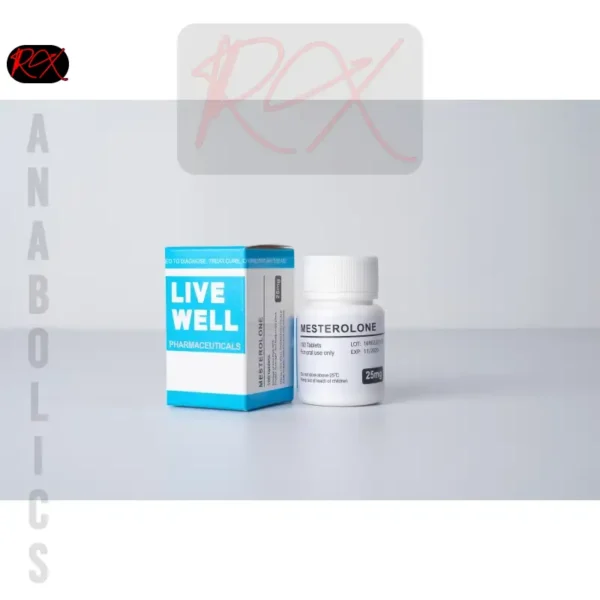
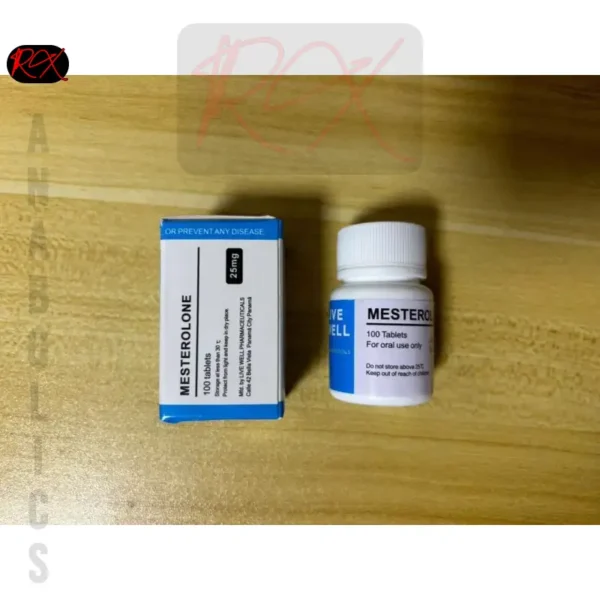
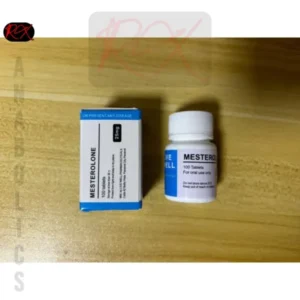
Mesterolone 25mg is an oral androgen containing 25mg of Mesterolone per tablet. At iRoids Pharma, we carry Mesterolone 25mg as part of our oral androgen and ancillary compound inventory for customers in markets where Mesterolone is legally available.
Mesterolone is the active compound in this preparation, widely recognized under the brand name Proviron. It occupies a pharmacologically distinct position among oral androgens that sets it apart from virtually every other compound discussed in performance communities. Unlike most oral anabolic steroids, Mesterolone achieves oral bioavailability without 17-alpha alkylation, carries no meaningful progestogenic activity, does not suppress the HPG axis at standard clinical doses, and produces mild anti-estrogenic effects through both aromatase inhibition and SHBG binding. This combination of characteristics makes it one of the most pharmacologically distinctive oral androgens available.
This page covers the pharmacology, clinical background, and health and legal considerations relevant to anyone researching Mesterolone at iRoids Pharma. It does not constitute medical advice, recommend steroid use, or provide dosage, cycle, or stacking guidance of any kind.
Product Specifications
| Specification | Details |
|---|---|
| Product Name | Mesterolone 25mg |
| Website | iroidspharma.com |
| Active Compound | Mesterolone |
| Also Known As | Proviron, Provironum, Mestoranum |
| Drug Class | Androgen, anabolic-androgenic steroid, DHT derivative, oral non-17-alpha alkylated androgen |
| Concentration | 25mg per tablet |
| Presentation | Oral tablet |
| Form | Tablet |
| Half-Life | Approximately 12 hours |
| Route of Administration | Oral |
| Anabolic Rating | 100 to 150 relative to testosterone baseline of 100 |
| Androgenic Rating | 30 to 40 relative to testosterone baseline of 100 |
| Aromatization | None |
| Progestogenic Activity | None clinically significant |
| 17-Alpha Alkylated | No |
| Liver Toxicity | Low |
| HPG Axis Suppression | Minimal at standard clinical doses |
| Legal Status | Not FDA approved in the United States. Prescription status varies significantly by country. |
| Availability | iroidspharma.com |
What Makes Mesterolone Pharmacologically Distinct
Mesterolone occupies a position in the oral androgen landscape that no other compound precisely replicates. Understanding what makes it distinct from both dedicated anabolic steroids and dedicated anti-estrogenic compounds requires examining its full pharmacological profile rather than focusing on any single characteristic.
Most oral anabolic steroids use 17-alpha alkylation to achieve hepatic survival. This alkylation enables oral bioavailability but places direct stress on liver tissue and is the primary source of hepatotoxicity across compounds like Methandrostenolone, Stanozolol, and Oxymetholone. Mesterolone achieves oral activity through a different structural pathway involving a methyl group at the first carbon position of the DHT base. This non-alkylated approach consequently produces a significantly lower hepatotoxicity profile than virtually every other commonly discussed oral anabolic steroid.
Most anabolic steroids discussed in performance communities suppress the HPG axis at standard doses, reducing endogenous testosterone production during use. Mesterolone does not produce significant HPG axis suppression at standard clinical doses. This characteristic is unusual enough among oral androgens that it drives a specific discussion in performance communities distinct from the standard anabolic steroid suppression conversation.
Most anti-estrogenic compounds operate through either dedicated aromatase inhibition or selective estrogen receptor modulation. Mesterolone, by contrast, produces mild aromatase inhibiting activity alongside meaningful SHBG binding properties, creating a combined anti-estrogenic and free testosterone elevating profile that dedicated aromatase inhibitors and SERMs do not replicate through the same mechanism.
What Is Mesterolone
Mesterolone is a synthetic androgen derived from Dihydrotestosterone. Schering developed it and introduced it to international markets under the Proviron brand name. It was developed specifically for the treatment of male hypogonadism, androgen deficiency, and male infertility in several markets where it received regulatory approval.
Structurally, Mesterolone is a modified form of DHT with a methyl group at the first carbon position. This methyl group improves oral bioavailability and reduces the rate of metabolic inactivation that makes unmodified DHT largely inactive when taken orally. Critically, this structural modification achieves oral activity without 17-alpha alkylation, which is the primary reason Mesterolone’s hepatotoxicity profile differs so fundamentally from most other oral androgens.
As a DHT derivative, Mesterolone does not aromatize to estrogen. DHT-derived compounds are structurally incompatible with the aromatase enzyme and consequently cannot undergo the conversion to estradiol that testosterone and its derivatives undergo. Furthermore, Mesterolone carries no meaningful affinity for progesterone receptors, distinguishing it from progestogenic compounds like Nandrolone and Trenbolone where progesterone receptor activation is a primary side effect consideration.
How Mesterolone Works
Mesterolone interacts with biological systems through several distinct pharmacological mechanisms that collectively produce its characteristic profile.
Androgen Receptor Binding
Mesterolone binds to androgen receptors throughout the body with an androgenic rating of 30 to 40 relative to testosterone’s baseline of 100. Its anabolic rating of 100 to 150 reflects moderate anabolic receptor binding activity. Because its primary pharmacological role in performance communities is more ancillary than primarily anabolic, its androgen receptor binding activity is often discussed in the context of its other mechanisms rather than in isolation.
SHBG Binding and Free Testosterone Elevation
Sex Hormone-Binding Globulin is a carrier protein that binds to androgens including testosterone in circulation, rendering them biologically inactive by preventing receptor binding. Mesterolone carries strong affinity for SHBG and competes effectively with testosterone for SHBG binding sites. By occupying SHBG binding sites, Mesterolone reduces the proportion of testosterone that is SHBG-bound and consequently increases the fraction of testosterone circulating in the free, biologically active form.
This SHBG displacement mechanism is one of the most distinctive and consistently discussed pharmacological characteristics of Mesterolone. It produces an increase in free testosterone availability without directly increasing total testosterone production. No other commonly discussed androgen replicates this effect through exactly the same mechanism, which consequently gives Mesterolone a pharmacologically unique position in ancillary compound discussions.
Mild Aromatase Inhibition
Mesterolone carries mild inhibitory activity against the aromatase enzyme responsible for converting androgens to estrogens in peripheral tissues. This mild aromatase inhibition reduces the rate of estrogen conversion from aromatizing androgens. The degree of inhibition is considerably less potent than dedicated aromatase inhibitors such as Anastrozole or Exemestane. Nevertheless, the inhibitory activity is pharmacologically meaningful and distinguishes Mesterolone from compounds with no anti-estrogenic properties whatsoever.
The combination of SHBG binding and mild aromatase inhibition produces a combined anti-estrogenic profile operating through two distinct mechanisms simultaneously. Consequently, Mesterolone generates consistent discussion as a compound with a multi-mechanism approach to estrogen management compared to dedicated single-mechanism anti-estrogenic compounds.
No Aromatization
Mesterolone does not aromatize to estrogen. As a DHT derivative, its structural incompatibility with the aromatase enzyme means it cannot undergo enzymatic conversion to estradiol. Estrogenic side effects are therefore not part of Mesterolone’s direct pharmacological profile and this non-aromatizing characteristic applies regardless of dose or duration of use.
Minimal HPG Axis Effects
At standard clinical doses, Mesterolone does not produce significant suppression of the hypothalamic-pituitary-gonadal axis. This characteristic reflects the fact that Mesterolone’s androgenic activity at standard doses is insufficient to trigger meaningful negative feedback on hypothalamic gonadotropin-releasing hormone secretion. As a result, endogenous testosterone production is not significantly reduced during Mesterolone use at standard clinical doses. This HPG-neutral characteristic is unusual enough among oral androgens to drive specific discussion that distinguishes Mesterolone from virtually all other oral anabolic steroids.
Clinical Background
Mesterolone carries a documented clinical history across multiple indications in international markets. This clinical background provides meaningful context for understanding its pharmacological profile and distinguishes it from compounds with no approved clinical history.
Male Hypogonadism Treatment
Mesterolone has been prescribed in several countries for the treatment of male hypogonadism, a condition characterized by insufficient endogenous testosterone production. Its androgenic activity supports testosterone-dependent physiological functions in androgen-deficient men without the HPG suppression that most testosterone-based treatments produce. This clinical application consequently reflects a pharmacological role distinct from conventional testosterone replacement approaches.
Male Infertility
Mesterolone has been studied and used clinically for male infertility treatment in several international markets. Research has examined its effects on sperm quality, count, and motility in men with specific fertility-related diagnoses. This clinical application represents one of the most pharmacologically distinctive uses of any androgen discussed in performance communities. Most anabolic steroids are associated with suppressing rather than supporting male reproductive function. Mesterolone’s HPG-neutral profile at standard doses consequently makes it relevant to fertility-related clinical discussions in a way that no other commonly discussed oral androgen replicates.
Androgen Deficiency
In addition to hypogonadism, Mesterolone has been prescribed in several countries for broader androgen deficiency conditions including age-related androgen decline. These clinical applications reflect its documented efficacy in supporting androgenic physiological functions without the suppressive effects on endogenous testosterone production associated with most androgen replacement approaches.
Depression and Mood Disorders
Some European markets historically used Mesterolone as an adjunctive treatment for depression in men, reflecting early understanding of the relationship between androgen status and mood regulation. While this application is largely historical and has been superseded by more targeted pharmacological approaches, it represents an additional dimension of Mesterolone’s clinical history that contributes to its documented pharmacological context.
Mesterolone Versus Other Compounds at iRoids Pharma
Versus Anastrozole
Anastrozole is a dedicated third-generation non-steroidal aromatase inhibitor that reduces estrogen production by approximately 70 to 80 percent at standard clinical doses. Mesterolone produces mild aromatase inhibition that is considerably less potent than Anastrozole’s dedicated inhibitory effect. However, Mesterolone adds SHBG binding and androgenic activity to its anti-estrogenic profile that Anastrozole does not carry. These two compounds consequently serve different primary pharmacological roles despite both carrying some degree of aromatase inhibiting activity.
Versus Tamoxifen
Tamoxifen is a selective estrogen receptor modulator that blocks estrogen receptor activation without reducing estrogen production. Mesterolone, by contrast, reduces estrogen production mildly through aromatase inhibition without blocking estrogen receptors. These mechanistically distinct approaches to estrogen management produce different clinical and practical applications. Furthermore, Mesterolone adds the SHBG binding and free testosterone elevation mechanisms that Tamoxifen does not carry, making the two compounds pharmacologically complementary rather than directly interchangeable for estrogen management.
Versus Methandrostenolone 10mg
Methandrostenolone is a 17-alpha alkylated oral anabolic steroid with significant hepatotoxicity, strong aromatization to estrogen, and meaningful HPG axis suppression. Mesterolone, by contrast, is non-17-alpha alkylated with low hepatotoxicity, no aromatization, and minimal HPG suppression. These two compounds consequently represent fundamentally opposite pharmacological profiles across virtually every relevant parameter. Methandrostenolone is primarily anabolic with significant estrogenic and hepatotoxic considerations. Mesterolone is primarily androgenic and ancillary with minimal hepatotoxic and estrogenic considerations.
Versus Oxandrolone
Oxandrolone is a 17-alpha alkylated non-aromatizing oral anabolic steroid with mild to moderate liver toxicity and active FDA approval for specific clinical indications. Both Oxandrolone and Mesterolone are non-aromatizing oral compounds with relatively favorable side effect profiles compared to more potent anabolic steroids. However, Oxandrolone carries significantly higher anabolic activity and a more pronounced HPG suppression profile than Mesterolone. Furthermore, Oxandrolone’s 17-alpha alkylation produces a more significant hepatotoxicity consideration than Mesterolone’s non-alkylated structure. These distinctions place the two compounds in different pharmacological categories despite some superficial similarities.
Versus Testosterone Preparations
Testosterone preparations at iRoids Pharma produce strong androgen receptor activation, significant aromatization to estrogen, and pronounced HPG axis suppression. Mesterolone, by contrast, produces moderate androgen receptor activation, no aromatization, and minimal HPG suppression while simultaneously reducing the SHBG binding of circulating testosterone. These contrasting profiles make Mesterolone pharmacologically complementary to testosterone preparations in a way that few other oral compounds replicate, which drives its specific discussion in performance communities in relation to testosterone-based compound use.
Side Effects and Health Risks
Mesterolone 25mg carries a side effect profile that is generally considered one of the mildest among oral androgens discussed in performance communities. These risks remain real and require responsible attention.
Androgenic Effects
Mesterolone carries androgenic activity with an androgenic rating of 30 to 40. Androgenic side effects include accelerated androgenetic alopecia in genetically predisposed individuals and acne vulgaris on the face, back, and chest. In women, virilization effects including voice deepening, clitoral enlargement, and changes in body hair distribution are serious considerations even with Mesterolone’s comparatively low androgenic profile. Women should consequently approach any androgenic compound with particular caution regarding virilization risk.
Cardiovascular Effects
Mesterolone produces adverse effects on the lipid profile. HDL cholesterol reduction and LDL cholesterol elevation are associated with androgen use including Mesterolone. The severity of these lipid changes is generally considered less pronounced than with more potent anabolic steroids. However, cardiovascular monitoring remains relevant for anyone using this compound regardless of its comparatively favorable androgenic and hepatotoxic profile.
Liver Considerations
Mesterolone does not carry the hepatotoxicity associated with 17-alpha alkylated oral anabolic steroids. Its non-alkylated structure produces a fundamentally lower liver stress profile than compounds like Methandrostenolone, Stanozolol, or Oxymetholone. This does not eliminate the relevance of liver monitoring entirely. However, the hepatotoxicity risk profile differs fundamentally from alkylated alternatives and is consequently one of the primary characteristics that distinguishes Mesterolone within the oral androgen category.
Hormonal Considerations
At standard clinical doses, Mesterolone does not significantly suppress the HPG axis or natural testosterone production. This distinguishes it from virtually all other oral anabolic steroids discussed in performance communities. However, individual responses vary and hormonal monitoring consequently remains a responsible practice for anyone using any androgen compound regardless of its expected HPG effects.
Psychological Effects
Androgen activity carries documented associations with mood changes and irritability. These effects are generally less pronounced with Mesterolone compared to higher-potency anabolic steroids due to its comparatively moderate androgenic profile. They remain a relevant consideration for anyone using this compound over extended periods.
Legal and Regulatory Status
Mesterolone is not FDA approved in the United States and is not commercially available as a prescription product in the US market. In several European countries including Germany and various Asian markets, Mesterolone has historically been available as a prescription medication under the Proviron brand name produced by Bayer. Regulatory status in these markets varies and you should confirm current availability and legal status in your specific country before purchasing.
The World Anti-Doping Agency bans Mesterolone alongside all major athletic governing bodies. It consequently appears on prohibited substance lists across Olympic sports, professional athletics, and competitive bodybuilding organizations that conduct testing. Urinary detection of Mesterolone metabolites is possible following use.
You are responsible for confirming the legal status of Mesterolone in your specific jurisdiction before purchasing from iRoids Pharma.
Frequently Asked Questions
Is Mesterolone 25mg Available at iRoids Pharma
Yes. iRoids Pharma carries Mesterolone 25mg for customers in markets where Mesterolone is legally available. Visit iroidspharma.com to check current availability and pricing.
What Is the Half-Life of Mesterolone
Mesterolone produces a half-life of approximately 12 hours. This relatively short half-life is a relevant pharmacokinetic consideration for maintaining consistent plasma concentrations throughout the day and consequently distinguishes it from longer-acting androgen preparations.
Does Mesterolone Aromatize
No. Mesterolone does not convert to estrogen through the aromatase enzyme pathway. As a DHT derivative, it is structurally incompatible with aromatase and consequently cannot undergo enzymatic conversion to estradiol. This non-aromatizing characteristic applies at any dose and duration of use.
How Does Mesterolone Increase Free Testosterone
Mesterolone carries strong affinity for Sex Hormone-Binding Globulin and competes with testosterone for SHBG binding sites. By occupying SHBG binding sites, Mesterolone reduces the proportion of testosterone bound to SHBG and consequently increases the fraction circulating in the free, biologically active form. This mechanism increases free testosterone availability without directly increasing total testosterone production.
Does Mesterolone Suppress Natural Testosterone Production
At standard clinical doses, Mesterolone does not significantly suppress the hypothalamic-pituitary-gonadal axis or natural testosterone production. This characteristic distinguishes it from virtually all other oral anabolic steroids discussed in performance communities and drives its specific discussion in ancillary compound contexts.
How Does Mesterolone Differ From Anastrozole as an Anti-Estrogenic Compound
Anastrozole is a dedicated aromatase inhibitor producing approximately 70 to 80 percent estrogen suppression at standard doses. Mesterolone produces considerably milder aromatase inhibition alongside SHBG binding and androgenic activity that Anastrozole does not carry. These two compounds consequently operate through different primary mechanisms and serve different primary pharmacological roles despite both carrying some degree of aromatase inhibiting activity.
Is Mesterolone Available on Prescription
Mesterolone is not FDA approved in the United States. It has prescription history in several European and Asian markets under the Proviron brand name. Current availability and prescription status varies by jurisdiction. You are consequently responsible for confirming the legal status in your jurisdiction before purchasing from iRoids Pharma.
What Are the Most Serious Health Risks
Androgenic effects including hair loss and acne are the most commonly reported concerns with Mesterolone. Cardiovascular effects on lipid profiles remain relevant despite Mesterolone’s comparatively mild overall profile. Virilization risk in women is a serious consideration at any androgenic compound dose. Liver toxicity is significantly lower than with 17-alpha alkylated oral steroids due to Mesterolone’s non-alkylated structure. Medical supervision is consequently recommended for anyone using this compound.
What to Consider Before Purchasing Mesterolone 25mg
Mesterolone generates consistent discussion in performance communities because its pharmacological profile does not fit neatly into the categories that most oral androgens occupy. It is not primarily a potent anabolic steroid. It is not a dedicated aromatase inhibitor. It is not a SERM. Instead, it combines moderate androgenic activity, mild aromatase inhibition, meaningful SHBG binding, low hepatotoxicity, and minimal HPG suppression into a profile that no other single compound precisely replicates.
The clinical history of Mesterolone across male hypogonadism, infertility, and androgen deficiency indications in international markets provides a broader research context than most anabolic androgens discussed in performance communities carry. This clinical history informs understanding of its pharmacological effects and safety profile in a way that purely performance-community-sourced information cannot replicate.
The iRoids Pharma non-prescription preparation does not carry the manufacturing oversight of pharmaceutical grade Proviron produced by Bayer. The clinical research base applies to the pharmacological and risk profile of the active compound regardless of the specific manufacturer. Manufacturing standards and quality verification consequently differ between pharmaceutical grade and non-prescription preparations.
Mesterolone carries documented androgenic, cardiovascular, and hormonal health considerations that require medical supervision to manage responsibly. Consulting a licensed medical professional is consequently the appropriate starting point for anyone with health concerns related to androgen use.
For customers in markets where Mesterolone is legally available, visit iroidspharma.com to check current Mesterolone 25mg availability, pricing, and stock levels.
Reviews
There are no reviews yet.
Related products
Tablets
Tablets
Tablets
Tablets
Tablets
Be the first to review “Mesterolone 25mg (Proviron)”