
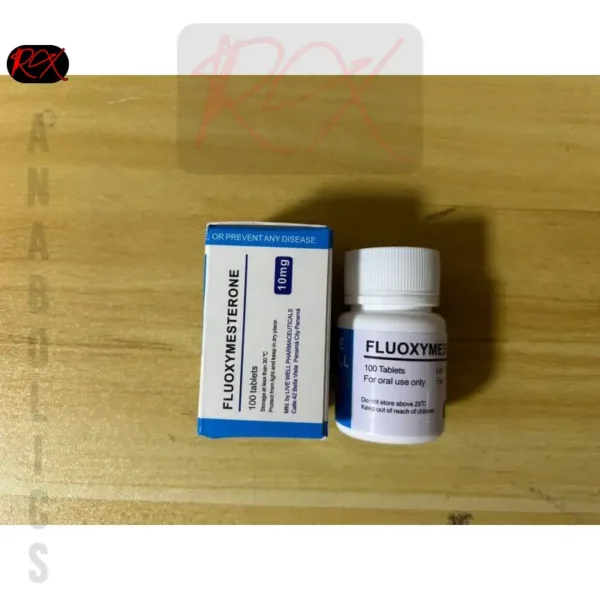
Fluoxymesterone 5mg (Halotestin) | iRoids Pharma
Fluoxymesterone 5mg is an oral anabolic-androgenic steroid containing 5mg of Fluoxymesterone per tablet. At iRoids Pharma, we carry Fluoxymesterone 5mg as part of our oral anabolic steroid inventory for customers in markets where Fluoxymesterone is legally available.
Fluoxymesterone is the active compound in this preparation, marketed historically under the brand name Halotestin. It occupies a position at the extreme end of the oral anabolic steroid potency spectrum that no other commonly discussed compound precisely matches. Its anabolic rating of 1900 and androgenic rating of 1600 relative to a testosterone baseline of 100 represent pharmacological activity levels that vastly exceed virtually every other oral anabolic steroid in existence. Yet despite these extraordinary receptor binding ratings, Fluoxymesterone’s clinical applications were centered on androgenic replacement and medical indications rather than on the anabolic mass-building applications that compounds with lower ratings are associated with in performance communities.
The 5mg tablet format at iRoids Pharma represents the mid-range concentration among the historical pharmaceutical grade Halotestin tablet formats that existed during the compound’s period of clinical availability. This page covers the pharmacology, historical context, concentration-specific considerations, and health and legal context relevant to anyone researching Fluoxymesterone at iRoids Pharma. It does not constitute medical advice, recommend steroid use, or provide dosage, cycle, or stacking guidance of any kind.
Product Specifications
| Specification | Details |
|---|---|
| Product Name | Fluoxymesterone 5mg |
| Website | iroidspharma.com |
| Active Compound | Fluoxymesterone |
| Also Known As | Halotestin, Halo, Android-F, Ultandren |
| Drug Class | Anabolic-androgenic steroid, 17-alpha alkylated oral steroid, testosterone derivative |
| Concentration | 5mg per tablet |
| Presentation | Oral tablet |
| Form | Tablet |
| Half-Life | Approximately 9 to 10 hours |
| Route of Administration | Oral |
| Anabolic Rating | 1900 relative to testosterone baseline of 100 |
| Androgenic Rating | 1600 relative to testosterone baseline of 100 |
| Aromatization | None |
| 17-Alpha Alkylated | Yes |
| Liver Toxicity | Severe |
| FDA Approval Status | Historical. No longer commercially available in the United States. |
| Legal Status | Schedule III controlled substance in the United States. Legal status varies by country. |
| Availability | iroidspharma.com |
Understanding Fluoxymesterone’s Extraordinary Potency Ratings
The anabolic rating of 1900 and androgenic rating of 1600 associated with Fluoxymesterone require contextual understanding to interpret correctly. These ratings are derived from standardized in vitro and in vivo assays comparing the compound’s receptor binding activity to testosterone. They do not translate directly into proportional real-world physiological effects at equivalent doses.
Several factors explain the apparent paradox between Fluoxymesterone’s extraordinary receptor binding ratings and its clinical applications, which were focused on androgen replacement and specific medical indications rather than on extreme anabolic mass building.
First, receptor binding affinity ratings measure the strength of the compound’s interaction with androgen receptors in assay conditions. They do not fully capture tissue-specific downstream effects, metabolic fate, bioavailability factors, or the complex biology of receptor activation and transcription. As a result, a compound with an anabolic rating of 1900 does not produce nineteen times the anabolic tissue response of testosterone at equivalent doses in clinical practice.
Second, Fluoxymesterone undergoes significant hepatic metabolism following oral absorption that modifies the downstream pharmacological activity of its metabolites compared to the parent compound’s receptor binding characteristics. The compound’s actual tissue-level effects are consequently mediated by a combination of the parent compound and its metabolic products rather than by the parent compound alone.
Third, Fluoxymesterone’s pharmacological profile in clinical practice was characterized primarily by pronounced androgenic and central nervous system stimulatory effects rather than by the dramatic anabolic tissue responses that the raw receptor binding ratings might suggest. This distinction between receptor binding potency and clinically observed pharmacological effects is directly relevant to understanding why Fluoxymesterone occupies such a specific and narrow discussion niche in performance communities compared to compounds with lower but more straightforwardly anabolic profiles.
The 5mg Format: Historical and Practical Context
The 5mg per tablet concentration of this iRoids Pharma preparation carries specific significance within the context of Fluoxymesterone’s pharmaceutical history and within the iRoids Pharma product range for this compound.
Historical Pharmaceutical Reference
Pharmaceutical grade Halotestin was produced at 2mg, 5mg, and 10mg tablet formats during its period of clinical availability. The 5mg concentration of the iRoids Pharma preparation consequently aligns with the mid-range standard pharmaceutical clinical tablet format for Fluoxymesterone. This alignment with a recognized historical pharmaceutical format is directly relevant to how the clinical research literature accumulated during Halotestin’s period of commercial availability applies to this specific preparation.
Position Within the iRoids Pharma Fluoxymesterone Range
The 5mg format delivers two and a half times the active compound per tablet compared to the 2mg historical minimum clinical format and half the active compound per tablet compared to the 10mg historical maximum clinical format. Within the iRoids Pharma catalog, the 5mg format consequently occupies a middle position that provides more per-tablet potency than the minimum historical clinical format while remaining below the maximum historical clinical tablet concentration.
Given Fluoxymesterone’s extraordinary potency ratings, the dose precision implications of the 5mg format versus the 10mg format are pharmacologically meaningful. Every dose-dependent effect including androgenic activity, central nervous system stimulation, liver stress, and cardiovascular lipid effects is proportionally less pronounced per tablet at the 5mg concentration than at the 10mg format. For anyone researching Fluoxymesterone who wants to work within the range of historical pharmaceutical clinical dosing, the 5mg format provides more dose management flexibility than the 10mg format while still delivering meaningful per-tablet pharmacological activity.
What Is Fluoxymesterone
Fluoxymesterone is a synthetic anabolic-androgenic steroid derived from testosterone. Upjohn developed it in the 1950s and introduced it to the market under the Halotestin brand name. Three specific structural modifications from the testosterone base define its pharmacological profile and collectively produce its extraordinary receptor binding characteristics.
The first modification is a methyl group at the 17-alpha carbon position, which enables oral bioavailability by protecting the compound from first-pass hepatic metabolism. This is the same alkylation used in most oral anabolic steroids and is directly responsible for the hepatotoxicity profile associated with Fluoxymesterone.
The second modification is a fluorine atom at the 9-alpha position. This fluorine substitution is the structural feature primarily responsible for Fluoxymesterone’s dramatically elevated androgenic potency. Fluorination at the 9-alpha position increases the compound’s resistance to metabolic inactivation and substantially amplifies its androgenic receptor binding affinity compared to the non-fluorinated testosterone base.
The third modification is a hydroxyl group at the 11-beta position. This modification further alters the compound’s metabolic profile and contributes to its resistance to aromatization. Together with the 9-alpha fluorination, the 11-beta hydroxylation produces the combination of extreme receptor binding potency and complete aromatase resistance that defines Fluoxymesterone’s pharmacological identity.
The result of these three modifications is a compound that does not aromatize to estrogen through any pathway, does not convert through the 5-alpha reductase pathway to a more androgenic metabolite, and carries anabolic and androgenic ratings that vastly exceed the testosterone baseline from which it was structurally derived.
How Fluoxymesterone Works
Fluoxymesterone reaches systemic circulation in active form following oral administration due to the hepatic protection of 17-alpha alkylation. It then interacts with biological systems through several pharmacological mechanisms that collectively produce its characteristic clinical and performance community profile.
Androgen Receptor Binding
Fluoxymesterone binds to androgen receptors throughout the body with extraordinarily high affinity, reflected in its androgenic rating of 1600 relative to testosterone’s baseline of 100. This extreme receptor binding potency drives pronounced effects in all androgen-responsive tissues throughout the body. At the 5mg concentration, this receptor binding activity is proportionally less potent per tablet than at the 10mg format while remaining substantially more potent per milligram than any other commonly discussed oral anabolic steroid except Methasterone.
Nitrogen Retention and Protein Synthesis
Fluoxymesterone produces strong positive nitrogen retention in skeletal muscle tissue and accelerates protein synthesis through androgen receptor-mediated mechanisms. These anabolic effects are driven by the compound’s extraordinary receptor binding activity in muscle tissue. At the 5mg concentration, these mechanisms operate at proportionally lower intensity per tablet than at the 10mg format but remain pharmacologically significant given the compound’s extreme per-milligram potency.
No Aromatization
Fluoxymesterone does not convert to estrogen through the aromatase enzyme pathway. The 11-beta hydroxyl group and the 9-alpha fluorine substitution collectively prevent aromatase-mediated conversion to estradiol. Estrogenic side effects including water retention and gynecomastia are consequently not part of Fluoxymesterone’s direct pharmacological profile at any concentration. This non-aromatizing characteristic is one of the most consistently referenced pharmacological distinctions of Fluoxymesterone compared to testosterone-based compounds.
Central Nervous System Stimulatory Effects
Fluoxymesterone produces pronounced central nervous system stimulatory effects driven by its extreme androgenic receptor binding activity. These CNS effects are more pronounced than with any other commonly discussed oral anabolic steroid and represent one of the most pharmacologically distinctive characteristics of this compound in both clinical observations and performance community discussions. The CNS stimulatory profile includes increased aggression, enhanced competitive drive, and psychological intensity that is specifically discussed in performance community contexts as one of the primary practical characteristics of this compound.
At the 5mg concentration, these CNS effects are proportionally less pronounced per tablet than at the 10mg format. However, given the extreme per-milligram CNS potency of Fluoxymesterone relative to all other oral anabolic steroids, the 5mg format still produces CNS stimulatory effects that are meaningfully more pronounced than those associated with most other oral androgen preparations.
Erythropoietic Effects
Fluoxymesterone stimulates erythropoietin production and red blood cell synthesis through androgen receptor-mediated mechanisms in the kidneys and bone marrow. This erythropoietic effect is one of the documented mechanisms underlying its clinical application in anemia treatment and provides the pharmacological basis for the oxygen-carrying capacity-related observations associated with this compound. At the 5mg concentration, this erythropoietic activity is proportionally less pronounced per tablet than at the 10mg format.
Clinical Background
Fluoxymesterone carries a documented clinical history across several FDA-approved indications that provides meaningful pharmacological context despite the compound’s current absence from commercial pharmaceutical markets.
Male Hypogonadism
The FDA approved Fluoxymesterone for the treatment of hypogonadism in males. This clinical application reflected its potent androgenic activity as a replacement for testosterone function in androgen-deficient men. The clinical research accumulated during this application provides a meaningful reference for Fluoxymesterone’s androgenic pharmacological profile at the doses used in hypogonadism management, which corresponded to the 2mg to 10mg historical pharmaceutical tablet formats.
Anemia Treatment
The FDA approved Fluoxymesterone for the treatment of certain anemias through its erythropoietic mechanism. This application reflected its documented effects on red blood cell production and provided a clinical research context for its erythropoietic pharmacology. This anemia treatment application has since been superseded by more targeted erythropoietic agents but its clinical documentation contributes to the pharmacological research base for the compound.
Delayed Puberty
The FDA approved Fluoxymesterone for the treatment of delayed puberty in males. This application reflected its potent androgenic activity in driving secondary sexual characteristic development. The clinical documentation from this application provides additional context for Fluoxymesterone’s androgenic effects at the historically available pharmaceutical tablet concentrations.
Breast Cancer Palliative Treatment
Fluoxymesterone was used in some markets for palliative treatment of certain breast cancer cases. This oncological application reflected its anti-estrogenic effects through androgenic activity and provided an additional dimension to its clinical research context beyond androgen replacement applications.
Commercial Withdrawal Context
Despite its multiple FDA-approved indications, Fluoxymesterone’s commercial availability in the United States declined significantly due to its controlled substance classification and limited market demand compared to alternative treatments for its approved indications. The pharmaceutical grade Halotestin brand is no longer commercially available in the United States. This commercial withdrawal context means the clinical research base accumulated during its period of pharmaceutical availability represents a closed historical record rather than an ongoing accumulating literature.
Fluoxymesterone 5mg Versus Related Compounds at iRoids Pharma
Versus Fluoxymesterone 10mg
Both formats contain the same active Fluoxymesterone compound with identical pharmacological mechanisms. The 10mg format delivers double the active compound per tablet compared to the 5mg format. Every dose-dependent pharmacological effect including androgenic activity, CNS stimulation, liver stress, cardiovascular lipid effects, and erythropoietic activity is consequently twice as pronounced per tablet at the 10mg concentration. The 5mg format provides greater dose precision and more conservative per-tablet pharmacological activity. For anyone researching Fluoxymesterone who wants more granular control over total daily exposure given the compound’s extreme per-milligram potency, the 5mg format provides that precision advantage over the 10mg format.
Versus Methandienone 20mg
Methandienone 20mg is a 17-alpha alkylated oral anabolic steroid with significant aromatization to estrogen, anabolic and androgenic ratings of 90 to 210 and 40 to 60 respectively, and significant hepatotoxicity. Fluoxymesterone 5mg, by contrast, produces no aromatization and carries anabolic and androgenic ratings of 1900 and 1600 respectively despite its lower per-tablet milligram dose. These two compounds consequently represent fundamentally different pharmacological profiles. Methandienone 20mg is primarily anabolic with significant estrogenic activity. Fluoxymesterone 5mg is primarily androgenic with extreme receptor binding potency and no estrogenic conversion.
Versus Mesterolone 25mg
Mesterolone 25mg is a non-17-alpha alkylated oral androgen with low hepatotoxicity, mild aromatase inhibition, SHBG binding, and minimal HPG suppression. Fluoxymesterone 5mg, by contrast, is 17-alpha alkylated with severe hepatotoxicity, no anti-estrogenic activity, and pronounced HPG suppression. Despite both being oral androgens, these two compounds represent diametrically opposite pharmacological profiles across virtually every relevant parameter. Mesterolone is an ancillary oral androgen with minimal systemic risk considerations. Fluoxymesterone is one of the most systemically potent and hepatotoxic oral androgens in existence.
Versus Oxandrolone 10mg
Oxandrolone 10mg is a non-aromatizing 17-alpha alkylated oral anabolic steroid with mild to moderate liver toxicity, active FDA approval, and a comparatively mild side effect profile. Fluoxymesterone 5mg shares the non-aromatizing characteristic and 17-alpha alkylation with Oxandrolone but differs in virtually every other pharmacological parameter. Fluoxymesterone’s anabolic rating of 1900 versus Oxandrolone’s 322 to 630, its androgenic rating of 1600 versus Oxandrolone’s 24, and its severe hepatotoxicity versus Oxandrolone’s mild to moderate profile collectively place these two compounds at opposite ends of the oral anabolic steroid spectrum despite both being non-aromatizing alkylated oral preparations.
Versus Methasterone
Methasterone carries anabolic and androgenic ratings of 400 and 20 respectively, making it highly anabolic but comparatively low in androgenic activity. Fluoxymesterone 5mg, by contrast, carries an androgenic rating of 1600 and produces pronounced CNS stimulatory effects through its extreme androgenic receptor binding. While both compounds carry severe hepatotoxicity, Fluoxymesterone’s extreme androgenic potency and associated CNS effects represent a fundamentally different pharmacological character from Methasterone’s high anabolic-to-androgenic ratio profile.
Side Effects and Health Risks
Fluoxymesterone 5mg carries one of the most serious side effect profiles of any oral anabolic steroid discussed in performance communities. The 5mg concentration provides proportionally less pronounced dose-dependent effects per tablet than the 10mg format, but Fluoxymesterone’s extreme per-milligram potency means serious health risks remain highly relevant at any concentration. These risks are well-documented in clinical literature and cannot be minimized in any responsible discussion of this compound.
Severe Hepatotoxicity
Hepatotoxicity is the most clinically critical health risk associated with Fluoxymesterone use at any concentration. The 17-alpha alkylation places severe and direct metabolic stress on hepatocytes. Fluoxymesterone’s liver toxicity is considered among the most severe of any commonly discussed oral anabolic steroid, reflecting both the alkylation-related hepatic stress and the compound’s extreme per-milligram potency. Clinical documentation includes elevated liver transaminases, cholestatic effects, peliosis hepatis, and in cases of prolonged high-dose use, serious structural hepatic complications. At the 5mg concentration, hepatic stress is proportionally less pronounced per tablet than at the 10mg format. However, the severity of Fluoxymesterone’s hepatotoxicity at any concentration makes regular biochemical liver function monitoring an absolute essential health consideration.
Extreme Androgenic Effects
Fluoxymesterone’s androgenic rating of 1600 produces androgenic side effects of a magnitude that exceeds virtually every other commonly discussed oral anabolic steroid. Severe accelerated androgenetic alopecia in genetically predisposed individuals, severe acne vulgaris affecting the face, back, and chest, and in women profound virilization effects including irreversible voice deepening are among the most consistently documented androgenic consequences. At the 5mg concentration, these androgenic effects are proportionally less pronounced per tablet than at the 10mg format. However, given the compound’s extreme per-milligram androgenic potency, the 5mg format still produces androgenic effects substantially more pronounced than those associated with most other oral anabolic steroids.
Psychological Effects and Aggression
The CNS stimulatory effects from Fluoxymesterone’s extreme androgenic receptor binding produce psychological consequences that are among the most pronounced and consistently documented associated with any oral anabolic steroid. Increased aggression, irritability, mood instability, and in some documented cases more serious psychiatric disturbances are reported in clinical case reports and performance community observations. These effects are proportionally less pronounced per tablet at the 5mg concentration than at the 10mg format. However, they remain more pronounced than those associated with most other oral androgens given Fluoxymesterone’s extreme androgenic potency per milligram.
Severe Cardiovascular Effects
Fluoxymesterone produces adverse lipid profile modifications that are among the most pronounced of any oral anabolic steroid in the clinical literature. Dramatic HDL cholesterol suppression and substantial LDL cholesterol elevation carry serious long-term cardiovascular implications. Additionally, the erythropoietic effects increasing red blood cell mass raise hematocrit and blood viscosity, adding a secondary cardiovascular risk consideration. At the 5mg concentration, these cardiovascular effects are proportionally less pronounced per tablet than at the 10mg format but remain among the most clinically significant considerations associated with this compound.
HPG Axis Suppression
Fluoxymesterone suppresses the hypothalamic-pituitary-gonadal axis through negative feedback mechanisms, reducing endogenous testosterone production during use. Post-use HPG recovery varies in duration and may require medical intervention in some cases. At the 5mg concentration, the degree of HPG suppression is proportionally less pronounced per tablet than at the 10mg format.
Legal and Regulatory Status
Fluoxymesterone carries Schedule III controlled substance status in the United States under the Anabolic Steroid Control Act. Despite its historical FDA approval for specific indications, commercial availability of pharmaceutical grade Halotestin in the United States has been discontinued. Possession without a valid prescription consequently constitutes a federal offense.
In the United Kingdom, Fluoxymesterone is classified as a Class C controlled substance under the Misuse of Drugs Act. Unauthorized supply is a criminal offense.
The World Anti-Doping Agency includes Fluoxymesterone on its prohibited list across all competitive sport categories. Detection through urinary analysis is possible following use.
You are responsible for confirming the legal status of Fluoxymesterone in your specific jurisdiction before purchasing from iRoids Pharma.
Frequently Asked Questions
Is Fluoxymesterone 5mg Available at iRoids Pharma
Yes. iRoids Pharma carries Fluoxymesterone 5mg for customers in markets where Fluoxymesterone is legally available. Visit iroidspharma.com to check current availability and pricing.
What Is the Half-Life of Fluoxymesterone
Fluoxymesterone produces a half-life of approximately 9 to 10 hours. Regular daily administration is consequently required to maintain stable plasma concentrations throughout the day. This pharmacokinetic characteristic applies equally across all Fluoxymesterone concentration formats.
Why Does Fluoxymesterone Have Such Extreme Potency Ratings Despite Being Used at Low Milligram Doses
The anabolic and androgenic ratings reflect in vitro receptor binding affinity relative to testosterone. These ratings measure the strength of receptor interaction in assay conditions and do not translate directly into proportional real-world physiological effects at equivalent doses. Fluoxymesterone’s extreme ratings reflect its powerful receptor binding characteristics and its resistance to metabolic inactivation rather than a proportional amplification of all anabolic effects relative to testosterone at equivalent milligram doses.
How Does the 5mg Format Differ From the 10mg Format at iRoids Pharma
Both formats contain the same active Fluoxymesterone compound with identical pharmacological mechanisms. The 5mg format delivers half the active compound per tablet compared to the 10mg format. Every dose-dependent pharmacological effect and side effect is consequently half as pronounced per tablet at the 5mg concentration. The 5mg format provides greater dose precision and more conservative per-tablet pharmacological activity given Fluoxymesterone’s extreme per-milligram potency.
Does Fluoxymesterone Aromatize
No. The 11-beta hydroxyl group and 9-alpha fluorine substitution collectively prevent aromatase-mediated conversion to estradiol. Estrogenic side effects are consequently not part of Fluoxymesterone’s direct pharmacological profile at any concentration including the 5mg format.
What Are the Most Serious Health Risks at the 5mg Concentration
Severe hepatotoxicity from 17-alpha alkylation is the most clinically critical health risk at any Fluoxymesterone concentration. Extreme androgenic effects, pronounced CNS stimulatory and psychological effects, severe cardiovascular lipid dysregulation, and HPG suppression complete the primary risk profile. All of these considerations are proportionally less pronounced per tablet at the 5mg concentration than at the 10mg format. However, Fluoxymesterone’s extreme per-milligram potency means these risks remain among the most serious associated with any oral anabolic steroid even at the 5mg format. Medical supervision and regular biochemical monitoring are consequently absolutely essential.
Is Fluoxymesterone 5mg Legal to Purchase
Fluoxymesterone carries Schedule III controlled substance status in the United States. Legal status varies by jurisdiction. You are consequently responsible for confirming the legal status in your jurisdiction before purchasing from iRoids Pharma.
What to Consider Before Purchasing Fluoxymesterone 5mg
Fluoxymesterone carries a documented pharmacological profile accumulated during its period of FDA-approved clinical availability and supplemented by extensive observational data from non-prescription market use. This profile characterizes it as one of the most potent and highest-risk oral anabolic steroids discussed in performance communities, a characterization that applies at any concentration including the 5mg format at iRoids Pharma.
The 5mg format provides the most conservative available per-tablet exposure within the iRoids Pharma Fluoxymesterone range and aligns with the mid-range historical pharmaceutical tablet format for this compound. This alignment with a historical pharmaceutical format provides a relevant clinical research reference point that the controlled literature, accumulated at doses consistent with the 2mg to 10mg pharmaceutical formats, most directly characterizes.
The iRoids Pharma non-prescription preparation does not carry the manufacturing oversight of pharmaceutical grade Halotestin. The clinical research base applies to the pharmacological and risk profile of the active compound regardless of the specific manufacturer. Manufacturing standards and quality verification consequently differ between pharmaceutical grade and non-prescription preparations.
Fluoxymesterone carries documented severe hepatotoxicity, extreme androgenic effects, pronounced CNS stimulatory and psychological effects, severe cardiovascular lipid dysregulation, and HPG suppression that require medical supervision to manage responsibly. Regular biochemical monitoring including liver function, lipid panels, hematocrit, and hormonal assessment is consequently absolutely essential for anyone researching this compound at any concentration.
For customers in markets where Fluoxymesterone is legally available, visit iroidspharma.com to check current Fluoxymesterone 5mg availability, pricing, and stock levels.
Reviews
There are no reviews yet.
Related products
Tablets
Tablets
Tablets
Tablets
Tablets
Tablets
Tablets
Tablets
Be the first to review “Fluoxymesterone (Halotestin) 5mg”