YK-11 Tablets (Myostatin Inhibitor SARM) Overview | iRoids Pharma
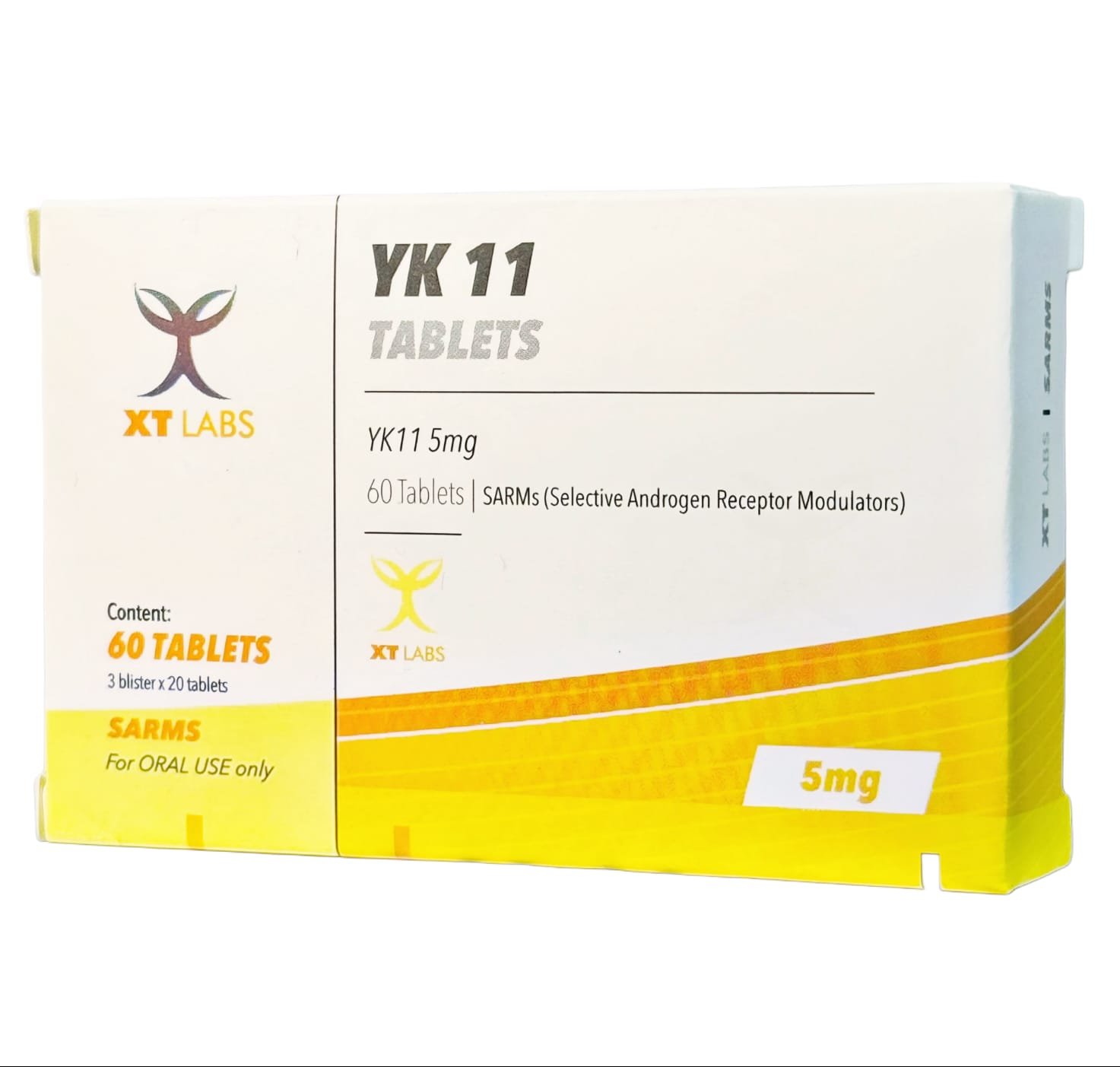
YK 11 is a synthetic compound that occupies a unique position in research chemical and performance community discussions. It is frequently classified alongside selective androgen receptor modulators, commonly known as SARMs, due to structural similarities with steroidal compounds and its partial agonist activity at the androgen receptor. However, YK-11 carries a dual mechanism that distinguishes it from conventional SARMs. In addition to androgen receptor activity, research suggests it also inhibits myostatin, a protein that limits muscle growth. At iRoids Pharma, we carry YK-11 tablets as part of our research compound inventory for customers in markets where the compound is legally available. YK-11 is not FDA approved for human use, has no established clinical applications, and carries a research chemical classification in most markets. Like all research compounds, it carries significant health and legal considerations that anyone researching it should understand clearly.
YK-11 was first synthesized and described in research literature by Japanese researcher Yuichiro Kanno in 2011. The compound emerged from research into steroidal selective androgen receptor modulators and attracted attention due to its reported myostatin inhibiting properties identified in in vitro cell studies. Myostatin is a protein produced naturally by the body that limits skeletal muscle growth. The concept of inhibiting myostatin to allow greater muscle development has generated significant research interest in both clinical medicine and performance communities. Understanding what YK-11 is, what the current research shows, and what risks it carries is the starting point for anyone researching it for educational purposes.
This article provides general educational information about YK-11 tablets. It does not constitute medical advice, does not recommend or encourage use, and does not provide dosage or protocol guidance of any kind.
Product Specifications
Website: iroidspharma.com Product Name: YK-11 Tablets Chemical Name: (17α,20E)-17,20-[(1-methoxyethylidene)bis(oxy)]-3-oxo-19-norpregna-4,20-diene-21-carboxylic acid methyl ester Common Classification: SARM, myostatin inhibitor Form: Oral tablet Molecular Formula: C25H34O6 Molecular Weight: 430.53 g/mol Half-Life: Approximately 6 to 10 hours based on available research Route of Administration: Oral Mechanism of Action: Partial agonist at the androgen receptor, inhibition of myostatin through follistatin upregulation Research Status: Research chemical, no FDA approval, no established clinical applications Human Safety Data: Limited. No large-scale human clinical trials completed. Legal Status: Varies significantly by country. Not scheduled as a controlled substance in all jurisdictions but subject to regulation in many markets.
What Is YK-11
YK-11 is a synthetic steroidal compound derived from a modified form of dihydrotestosterone. Unlike conventional non-steroidal SARMs including Ostarine, Ligandrol, and RAD-140, YK-11 carries a steroidal chemical structure. This structural characteristic places it in a different chemical category from most other compounds discussed in the SARM research community and contributes to ongoing debate about its appropriate classification.
The compound interacts with the androgen receptor as a partial agonist. Partial agonist activity means YK-11 activates the androgen receptor but produces less than the maximum possible receptor activation compared to a full agonist like testosterone. This partial agonist characteristic is theoretically associated with more tissue-selective androgen receptor activation compared to testosterone, which is the conceptual basis of the SARM drug class.
In addition to androgen receptor activity, in vitro research suggests YK-11 inhibits myostatin by upregulating follistatin, a natural myostatin antagonist produced by the body. Myostatin limits skeletal muscle growth by inhibiting muscle cell proliferation and differentiation. Theoretically, reducing myostatin activity allows greater muscle development beyond the natural ceiling imposed by endogenous myostatin levels. This dual mechanism combining androgen receptor activation and myostatin inhibition is the primary characteristic that distinguishes YK-11 from conventional SARMs in research literature.
About the Research Status of YK-11
The research status of YK-11 is a critical context point for anyone evaluating this compound. Understanding the current state of evidence is essential before forming any opinion about it.
In Vitro Research Only
The myostatin inhibiting properties of YK 11 that generate discussion in performance communities derive primarily from in vitro cell culture studies. In vitro research examines compound effects on isolated cells in laboratory conditions. Results from in vitro studies do not reliably predict outcomes in living organisms due to the complexity of biological systems, metabolic processing, and tissue-specific responses that cell culture conditions cannot replicate.
No Human Clinical Trials
As of the current research landscape, no large-scale human clinical trials for YK-11 have been completed. The absence of human clinical trial data means there is no established safety profile, no documented effective dose range in humans, no understanding of long-term effects, and no regulatory body assessment of the compound for human use. This represents a fundamental gap in the research base compared to compounds with completed clinical trial programs.
Animal Research Limitations
Limited animal research on YK 11 exists beyond the initial in vitro studies. Animal research provides more relevant biological context than in vitro studies but still does not reliably predict human outcomes. The translation from animal research to human clinical application involves significant uncertainty even for compounds with extensive animal study programs.
Research Chemical Classification
YK-11 carries research chemical classification in most markets. Research chemicals are compounds available for scientific investigation but not approved for human therapeutic use. This classification reflects the early stage of the research base and the absence of the clinical evidence required for regulatory approval as a medication.
Why YK-11 Appears in Bodybuilding Discussions
YK-11 generates consistent discussion in bodybuilding and performance communities for reasons related to its proposed dual mechanism and the broader SARM discussion in performance contexts.
Myostatin Inhibition Concept
The myostatin inhibition concept is one of the most discussed topics in performance communities interested in maximizing muscle development. Myostatin limits natural muscle growth, and the idea of pharmacologically reducing this limitation has generated significant interest. YK-11’s proposed myostatin inhibiting mechanism through follistatin upregulation positions it in these discussions as a compound that may address this biological ceiling. However, this mechanism derives from in vitro research and has not been confirmed in human clinical trials.
SARM Community Discussion
YK-11 appears consistently in SARM community discussions alongside compounds like Ostarine, Ligandrol, and RAD-140. Despite its steroidal structure and classification debate, its partial androgen receptor agonist activity places it in the same general discussion category as conventional SARMs in performance communities.
Stacking Discussions
YK 11 appears in bodybuilding forum discussions about research compound combinations. These discussions draw primarily from anecdotal reports rather than clinical research and carry significant uncertainty about safety and efficacy at any combination.
YK-11 Versus Conventional SARMs
Understanding how YK-11 differs from conventional non-steroidal SARMs helps clarify its specific position in research compound discussions.
Structural Difference
Conventional SARMs including Ostarine, Ligandrol, RAD-140, and Cardarine are non-steroidal compounds. YK-11 carries a steroidal chemical structure derived from dihydrotestosterone. This structural difference is pharmacologically significant and contributes to ongoing debate about whether YK-11 should be classified as a SARM, a partial androgen receptor agonist, or a steroidal anabolic compound.
Dual Mechanism
Conventional SARMs work primarily through selective androgen receptor modulation. YK-11 carries the additional proposed myostatin inhibiting mechanism not shared by conventional SARMs. This dual mechanism is the primary characteristic that distinguishes YK-11 in research compound discussions.
Research Base
Conventional SARMs have more extensive research bases than YK-11 including some completed human clinical trials for compounds like Ostarine and Enobosarm. YK-11’s research base remains more limited, consisting primarily of in vitro studies with limited animal research.
Risks and Health Considerations
YK-11 carries a significant and poorly understood risk profile that anyone researching this compound should understand clearly before proceeding.
Unknown Long-Term Safety Profile
The most significant risk consideration with YK-11 is the absence of established human safety data. Without completed human clinical trials, the long-term effects of YK-11 on human health are genuinely unknown. This represents a fundamentally different risk category from compounds with completed clinical trial programs where safety profiles are documented.
Liver Toxicity Concerns
YK-11’s steroidal structure raises liver toxicity concerns in research discussions. Some anecdotal reports from users document elevated liver enzymes with YK-11 use. However, without systematic clinical data, the extent and predictability of liver stress from YK-11 use in humans is not established.
Hormonal Suppression
Research suggests YK-11 suppresses natural testosterone production through androgen receptor activity. The degree and reversibility of this suppression in humans is not well-established due to the absence of human clinical trial data. Hormonal suppression from SARM and research compound use is a documented concern across this compound class.
Cardiovascular Effects
The cardiovascular effects of YK-11 in humans are not established. Androgen receptor active compounds generally affect lipid profiles and cardiovascular markers. Without human clinical data, the specific cardiovascular risk profile of YK-11 cannot be accurately characterized.
Unknown Interaction Profile
The interaction of YK-11 with other medications, supplements, and compounds is not established. Using YK-11 alongside other compounds introduces interaction risks that cannot be assessed without clinical research data.
Legal Status
YK-11 legal status varies significantly by country. In the United States, YK-11 is not currently scheduled as a controlled substance but is subject to FDA oversight as an unapproved drug. The FDA has taken enforcement action against companies selling SARMs and research chemicals as dietary supplements. Several other countries have scheduled SARMs including YK-11 as controlled substances. Research the legal status in your specific jurisdiction before purchasing from iRoids Pharma.
Frequently Asked Questions About YK-11 at iRoids Pharma
Is YK-11 Available at iRoids Pharma?
Yes. iRoids Pharma carries YK-11 tablets for customers in markets where the compound is legally available. Visit iroidspharma.com to check current availability and pricing.
Is YK-11 a SARM?
YK-11 is frequently classified alongside SARMs due to its partial androgen receptor agonist activity. However, its steroidal chemical structure derived from dihydrotestosterone distinguishes it structurally from conventional non-steroidal SARMs. Its classification remains a subject of debate in research literature.
Does YK-11 Inhibit Myostatin?
In vitro cell culture research suggests YK-11 inhibits myostatin through follistatin upregulation. However, this finding derives from cell culture studies and has not been confirmed in human clinical trials. Translating in vitro findings to human outcomes involves significant uncertainty.
Is YK-11 FDA Approved?
No. YK-11 carries no FDA approval for any human use indication. It is classified as a research chemical with no established clinical applications.
What Are the Known Risks of YK-11?
Known and potential risks include liver toxicity concerns based on its steroidal structure and anecdotal reports, hormonal suppression, unknown cardiovascular effects, and unknown long-term safety profile due to the absence of human clinical trial data.
Is YK-11 Legal to Purchase?
Legal status varies significantly by country. In the United States, YK-11 is not currently scheduled as a controlled substance but is subject to FDA oversight. Legal status varies in other jurisdictions. Customers are responsible for confirming the legal status in their specific country before purchasing from iRoids Pharma.
What to Consider Before Purchasing YK-11
YK-11 generates significant discussion in bodybuilding and research compound communities. Much of that discussion draws from anecdotal reports and in vitro research rather than human clinical trials. The absence of human clinical safety data represents a fundamentally different risk category from compounds with established clinical profiles.
If you are researching YK-11 for educational purposes, prioritize the available peer-reviewed research literature and approach anecdotal community reports with significant skepticism. Consulting a licensed medical professional before using any research compound is the most responsible approach. The unknown long-term safety profile of YK-11 represents a genuine and significant risk that cannot be adequately assessed without completed human clinical trial data.
For customers in markets where YK-11 is legally available, visit iroidspharma.com to check current product availability, pricing, and stock levels.
Reviews
There are no reviews yet.
Related products

Uncategorized
Uncategorized
Uncategorized
Uncategorized
Uncategorized
Uncategorized
Uncategorized
Uncategorized
Be the first to review “YK 11 XT Labs USA”