
Hygetropin 10IU (Human Growth Hormone) Overview
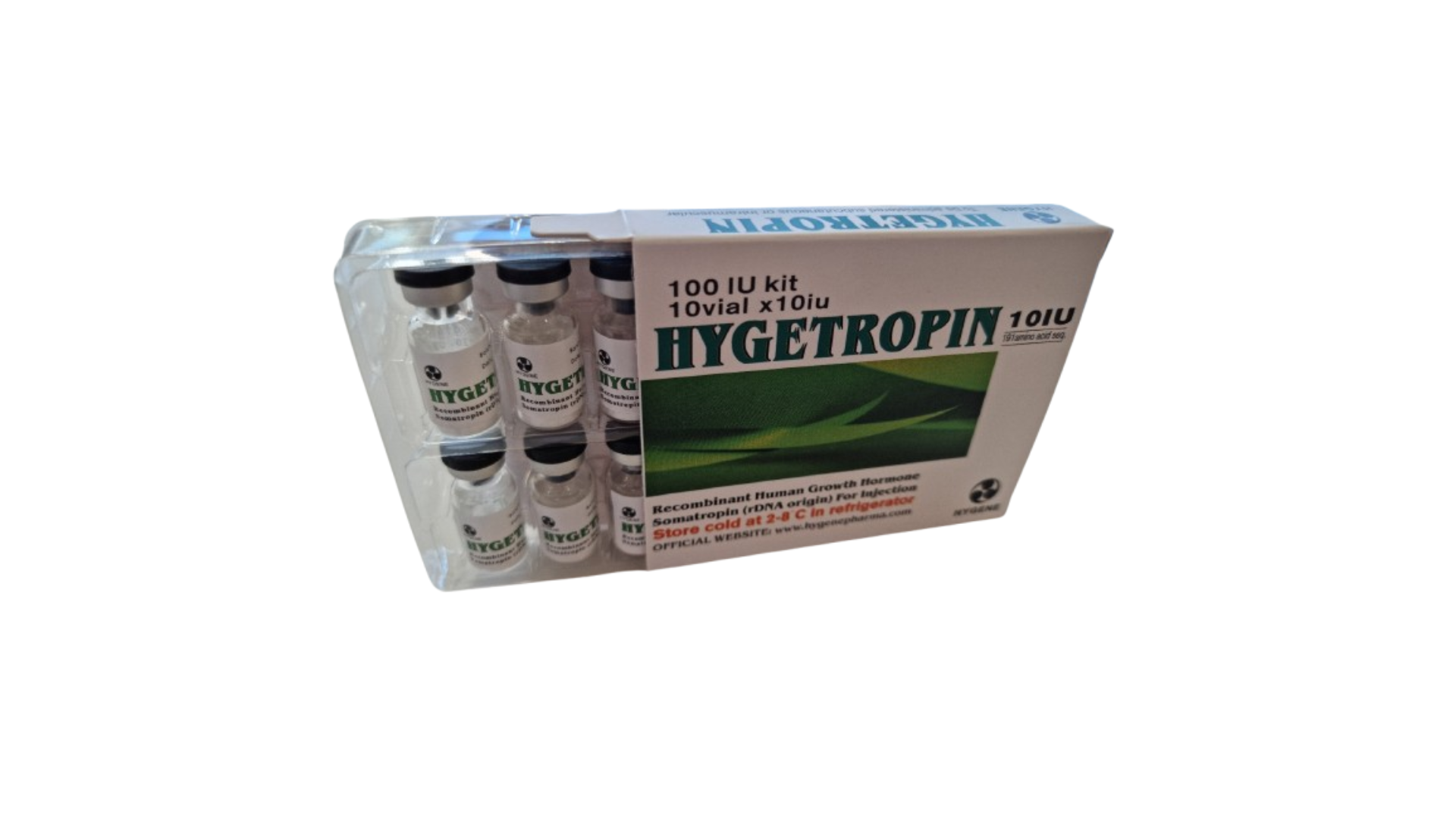
Hygetropin is a brand name for recombinant human growth hormone produced by Hygene Biopharm. Each vial contains 10IU of somatropin, a synthetic version of the naturally occurring human growth hormone produced by the pituitary gland. Hygetropin is one of the most widely discussed growth hormone brands in bodybuilding and anti-aging communities worldwide. Like other recombinant human growth hormone products, Hygetropin carries significant health and legal considerations that anyone researching this compound should understand before forming an opinion about it.
Human growth hormone plays a central role in growth, metabolism, body composition, and cellular repair throughout the human body. Synthetic recombinant growth hormone replicates the structure and function of naturally produced growth hormone when administered exogenously. In clinical medicine, physicians prescribe somatropin for specific medical conditions including growth hormone deficiency, Turner syndrome, Prader-Willi syndrome, and chronic kidney disease in children. Outside of these approved applications, growth hormone generates consistent discussion in performance, bodybuilding, and anti-aging communities due to the characteristics attributed to it in fitness literature.
This article provides general educational information about Hygetropin 10IU and recombinant human growth hormone. It does not constitute medical advice, does not recommend or encourage growth hormone use outside of legitimate medical supervision, and does not provide dosage or protocol guidance of any kind.
Product Specifications
Brand: Hygetropin Manufacturer: Hygene Biopharm Product Name: Hygetropin 10IU Active Compound: Somatropin, recombinant human growth hormone Concentration: 10IU per vial Presentation: Lyophilized powder in glass vial with separate bacteriostatic water for reconstitution Molecular Weight: 22,124 daltons Amino Acid Sequence: 191 amino acids, identical to natural pituitary-derived human growth hormone Half-Life: Approximately 3 to 5 hours following subcutaneous injection Route of Administration: Subcutaneous or intramuscular injection following reconstitution Storage: Unreconstituted vials store at 2 to 8 degrees Celsius. Reconstituted solution stores at 2 to 8 degrees Celsius and requires use within a defined timeframe. Mechanism of Action: Binds to growth hormone receptors, stimulates IGF-1 production in the liver, promotes cellular growth and regeneration Legal Status: Prescription only in the United States and most developed countries
What Is Recombinant Human Growth Hormone
Human growth hormone is a peptide hormone the pituitary gland produces naturally. It consists of 191 amino acids and plays a central role in stimulating growth during childhood and adolescence. In adults, it continues to regulate metabolism, body composition, bone density, and cellular repair processes throughout the body.
Recombinant human growth hormone uses DNA recombinant technology to produce a synthetic version of somatropin that is structurally identical to natural pituitary-derived growth hormone. This technology produces a more consistent and safer product than earlier extraction-based growth hormone preparations that carried contamination risks. Modern recombinant somatropin products including Hygetropin use this production method to produce a 191 amino acid sequence identical to the natural hormone.
Growth hormone exerts many of its effects indirectly through insulin-like growth factor 1, commonly known as IGF-1. When growth hormone reaches the liver, it stimulates IGF-1 production, which then drives many of the anabolic and growth-promoting effects associated with growth hormone activity throughout the body. Understanding this IGF-1 mediated mechanism is important for anyone researching the compound because it explains why growth hormone effects extend well beyond simple growth stimulation.
About Hygene Biopharm and Hygetropin
Hygene Biopharm is a Chinese pharmaceutical manufacturer that produces Hygetropin for markets where growth hormone products are available. The brand has a long presence in the growth hormone market and is one of the more widely recognized non-prescription growth hormone brands discussed in bodybuilding and anti-aging communities.
Hygetropin occupies a position in the growth hormone market between pharmaceutical-grade prescription products from major manufacturers and lower-quality underground productions. The brand produces a 191 amino acid somatropin sequence matching natural human growth hormone. Counterfeit Hygetropin products circulate widely in non-prescription markets. Verification codes on packaging allow buyers to confirm product authenticity through the manufacturer’s verification system. This counterfeiting issue is relevant context for anyone researching the brand.
Clinical Applications of Human Growth Hormone
Recombinant human growth hormone carries FDA approval for specific clinical conditions. Physicians prescribe somatropin for the following approved applications.
Approved Clinical Uses
Growth hormone deficiency in children. Children whose pituitary glands fail to produce sufficient growth hormone receive somatropin therapy to support normal growth and development.
Growth hormone deficiency in adults. Adults with documented growth hormone deficiency from pituitary disease or damage receive somatropin therapy to support metabolic function, body composition, and quality of life.
Turner syndrome. Somatropin therapy supports growth in girls with Turner syndrome, a chromosomal condition associated with short stature.
Prader-Willi syndrome. Physicians prescribe somatropin for children with Prader-Willi syndrome to support growth and body composition.
Chronic kidney disease in children. Somatropin supports growth in children with chronic kidney disease where growth impairment occurs.
HIV-associated wasting. Somatropin therapy helps restore lean body mass in adults with HIV-associated wasting and lipodystrophy.
Short bowel syndrome. Adults with short bowel syndrome receive somatropin as part of a treatment protocol to improve nutritional absorption.
These approved clinical applications reflect a well-documented medical use history that distinguishes growth hormone from compounds with no legitimate clinical background.
Why Hygetropin Appears in Bodybuilding and Anti-Aging Discussions
Recombinant human growth hormone generates significant discussion in bodybuilding and anti-aging communities for reasons related to the physiological effects attributed to it in fitness and wellness literature.
Body Composition Effects
Growth hormone influences body composition through multiple mechanisms. It promotes lipolysis, the breakdown of stored fat for energy, and supports lean muscle tissue maintenance. These characteristics make it a consistent topic of discussion in bodybuilding and physique communities where body composition management is a primary focus.
Recovery and Cellular Repair
Growth hormone plays a documented role in cellular repair and tissue regeneration. In fitness communities, discussions frequently reference enhanced recovery from training as a characteristic associated with growth hormone use. Clinical research supports growth hormone’s role in tissue repair in medical contexts, which informs these discussions.
Anti-Aging Discussions
Growth hormone levels decline naturally with age. This natural decline contributes to age-related changes in body composition, skin quality, bone density, and metabolic function. Anti-aging communities and wellness practitioners discuss growth hormone supplementation in the context of addressing these age-related changes. However, the use of growth hormone for anti-aging purposes outside of documented growth hormone deficiency remains a controversial topic in mainstream medicine.
IGF-1 Elevation
The IGF-1 elevating effect of growth hormone use is a central topic in bodybuilding discussions. IGF-1 is a potent anabolic hormone, and its elevation through growth hormone administration is frequently cited in fitness literature as a mechanism behind the body composition effects associated with growth hormone use.
Reconstitution and Administration Considerations
Hygetropin 10IU comes as a lyophilized powder that requires reconstitution with bacteriostatic water before use. The reconstitution process involves adding the appropriate volume of bacteriostatic water to the powder vial and gently mixing without shaking to avoid damaging the peptide structure.
Reconstituted growth hormone requires refrigeration at 2 to 8 degrees Celsius and degrades if exposed to heat, direct sunlight, or repeated freeze-thaw cycles. These storage requirements are important practical considerations for anyone researching growth hormone products. Improper storage degrades the active compound, reducing potency and potentially producing degradation products.
Growth hormone administration requires subcutaneous or intramuscular injection. This injection requirement is an important consideration that distinguishes growth hormone from oral supplements and adds complexity to its use compared to oral compounds.
Risks and Health Considerations
Hygetropin 10IU and recombinant human growth hormone carry a significant risk profile that anyone researching this compound should understand clearly.
Acromegaly Risk
Supraphysiological growth hormone levels, whether from natural overproduction or exogenous administration, stimulate excessive growth of bones and soft tissues. This condition, known as acromegaly, produces enlargement of the hands, feet, facial features, and internal organs. Organ enlargement associated with long-term supraphysiological growth hormone use is a serious documented concern in clinical literature.
Insulin Resistance and Diabetes Risk
Growth hormone administration affects glucose metabolism and can induce insulin resistance. Long-term growth hormone use associates with increased risk of developing type 2 diabetes. Regular blood glucose monitoring is therefore important for anyone using growth hormone under medical supervision.
Carpal Tunnel Syndrome
Fluid retention and soft tissue changes associated with growth hormone use frequently produce carpal tunnel syndrome symptoms including numbness, tingling, and pain in the hands and wrists. This side effect appears in both clinical literature and consistent reports from individuals who use growth hormone.
Joint and Muscle Pain
Growth hormone use associates with joint pain, muscle pain, and swelling in clinical literature and user reports. These effects relate to fluid retention and rapid tissue changes associated with elevated growth hormone levels.
Cancer Risk Considerations
Growth hormone and IGF-1 both play roles in cellular growth and proliferation. The relationship between supraphysiological growth hormone and IGF-1 levels and cancer risk is an active area of research in clinical medicine. Current evidence suggests that individuals with pre-existing cancer or significant cancer risk factors should avoid growth hormone use outside of carefully supervised clinical protocols. Anyone with a personal or family history of cancer should discuss this risk specifically with a qualified physician before researching growth hormone further.
Cardiovascular Effects
Long-term supraphysiological growth hormone use associates with cardiac changes including left ventricular hypertrophy in clinical literature. Regular cardiovascular monitoring is consequently important for anyone using growth hormone.
Legal Status
Human growth hormone carries a controlled substance classification in the United States. Somatropin requires a valid prescription from a licensed physician for legal possession and use. Obtaining or using growth hormone without a valid prescription constitutes a federal offense. Legal status varies by country. Research the legal status in your specific jurisdiction before proceeding.
Hygetropin Versus Pharmaceutical Grade Prescription Growth Hormone
Understanding the distinction between Hygetropin and pharmaceutical grade prescription somatropin products is relevant context for anyone researching this brand.
Pharmaceutical grade prescription somatropin products including Genotropin, Norditropin, Humatrope, and Saizen carry full regulatory approval, consistent manufacturing quality control, and documented purity standards enforced by regulatory bodies. These products go through extensive clinical testing and ongoing post-market surveillance.
Hygetropin, by contrast, operates outside of regulated pharmaceutical channels in most markets where buyers access it. While the brand produces a 191 amino acid somatropin sequence and has a longer market presence than many competing non-prescription brands, it does not carry the same regulatory oversight as approved pharmaceutical products. Furthermore, widespread counterfeiting of the Hygetropin brand adds an additional quality verification concern that buyers in non-prescription markets must navigate.
What to Consider Before Researching This Compound Further
Hygetropin 10IU and recombinant human growth hormone generate significant online discussion across bodybuilding, anti-aging, and wellness communities. Much of that discussion draws from anecdotal sources rather than peer-reviewed medical research. Information quality varies widely, and relying on forum-based guidance for health decisions consequently carries real risk.
If you are researching growth hormone for educational purposes, prioritize peer-reviewed clinical research and consult a licensed medical professional. A physician can assess whether growth hormone therapy is clinically appropriate through documented IGF-1 and growth hormone testing, monitor health markers during use, and provide guidance that online resources are not equipped to replace. Growth hormone carries legitimate clinical applications in documented deficiency states. Using it outside of medical supervision and legal channels carries documented health and legal risks that are distinct from and additional to those associated with anabolic steroid use.
Reviews
There are no reviews yet.
Related products
Uncategorized
Uncategorized

Uncategorized
Uncategorized

Uncategorized
Uncategorized
Uncategorized

Uncategorized
Be the first to review “Hygetropin 10iu”